
Colchicine Opocalcium 1mg: Uses, How It Works & Safety Guide
Key Facts Table
| Active Ingredient | Colchicine Opocalcium 1mg per tablet |
|---|---|
| Drug Class | Anti-gout / anti-inflammatory agent |
| Route | Oral tablet |
| Legal Status | Prescription Only Medicine (List I) |
| Manufacturer | Mayoly Spindler, France |
| Storage | Below 25°C, in original packaging, protected from light |
Table of Contents
- Introduction
- What Is Colchicine Opocalcium?
- How Does It Work?
- Main Benefits
- Real Use Cases
- Who Is It Best For?
- Who Should Avoid It?
- How to Use Correctly
- Best Time to Use
- Common Questions Users Ask
- Expected Results Timeline
- Common Mistakes
- Myths vs Facts
- Drug Interactions
- Contraindications
- Required Tests
- What to Eat With It
- Effect on Other Medications
- When to See a Doctor
- NSL Expert Tip
- Conversational FAQ
- Conclusion
Introduction OF Colchicine Opocalcium 1mg
Colchicine Opocalcium 1mg is a long-established treatment for acute gout attacks, valued for its ability to reduce the intense pain and inflammation of a flare. Because colchicine has a narrow therapeutic window — meaning the difference between an effective dose and a harmful one is small — it must be used only under close medical supervision.
What Is Colchicine Opocalcium 1mg?
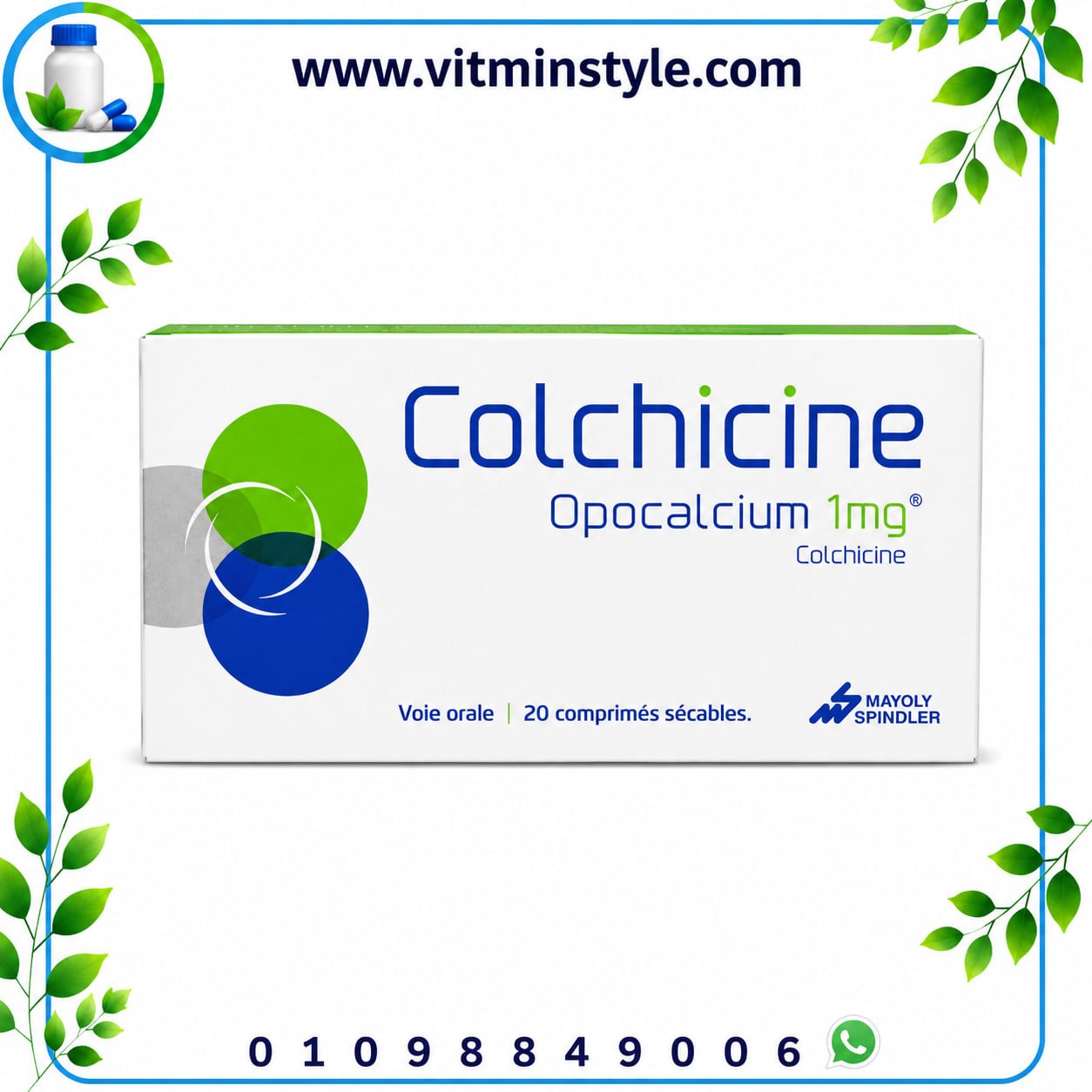
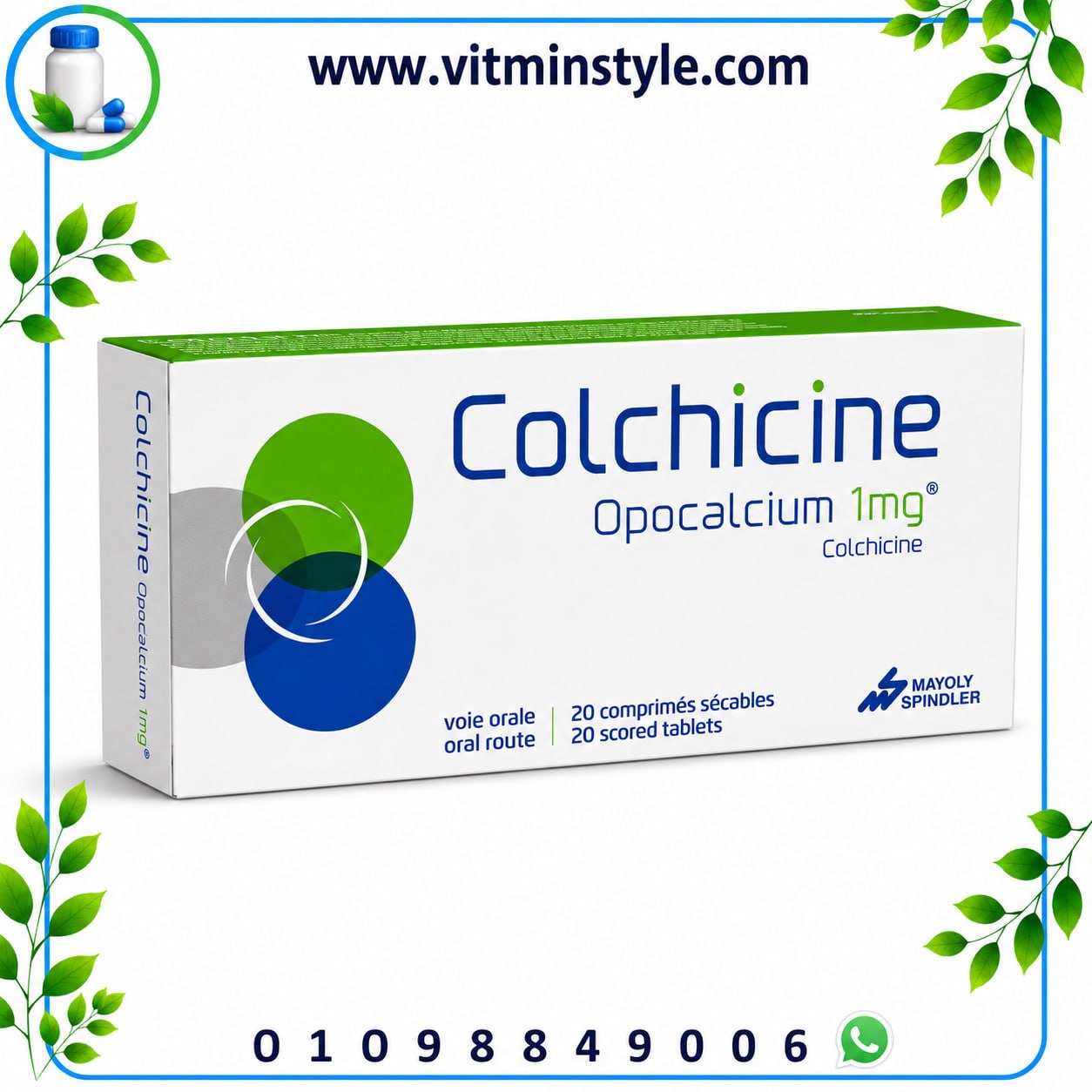
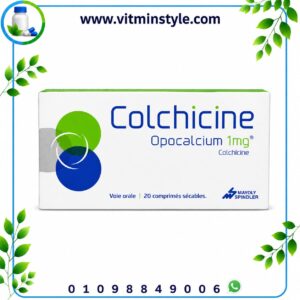
Colchicine Opocalcium is an oral, scored tablet containing 1mg of colchicine, manufactured by Mayoly Spindler in France. Each box contains 20 tablets, and the scoring allows for precise dose splitting exactly as directed by a physician.
How Does It Work?
Colchicine Opocalcium 1mg works by reducing the migration and activity of white blood cells (particularly neutrophils) that drive the intense inflammatory response seen in gout attacks, caused by uric acid crystal deposits in the joints. This helps reduce pain, swelling, and inflammation during a flare.
Main Benefits
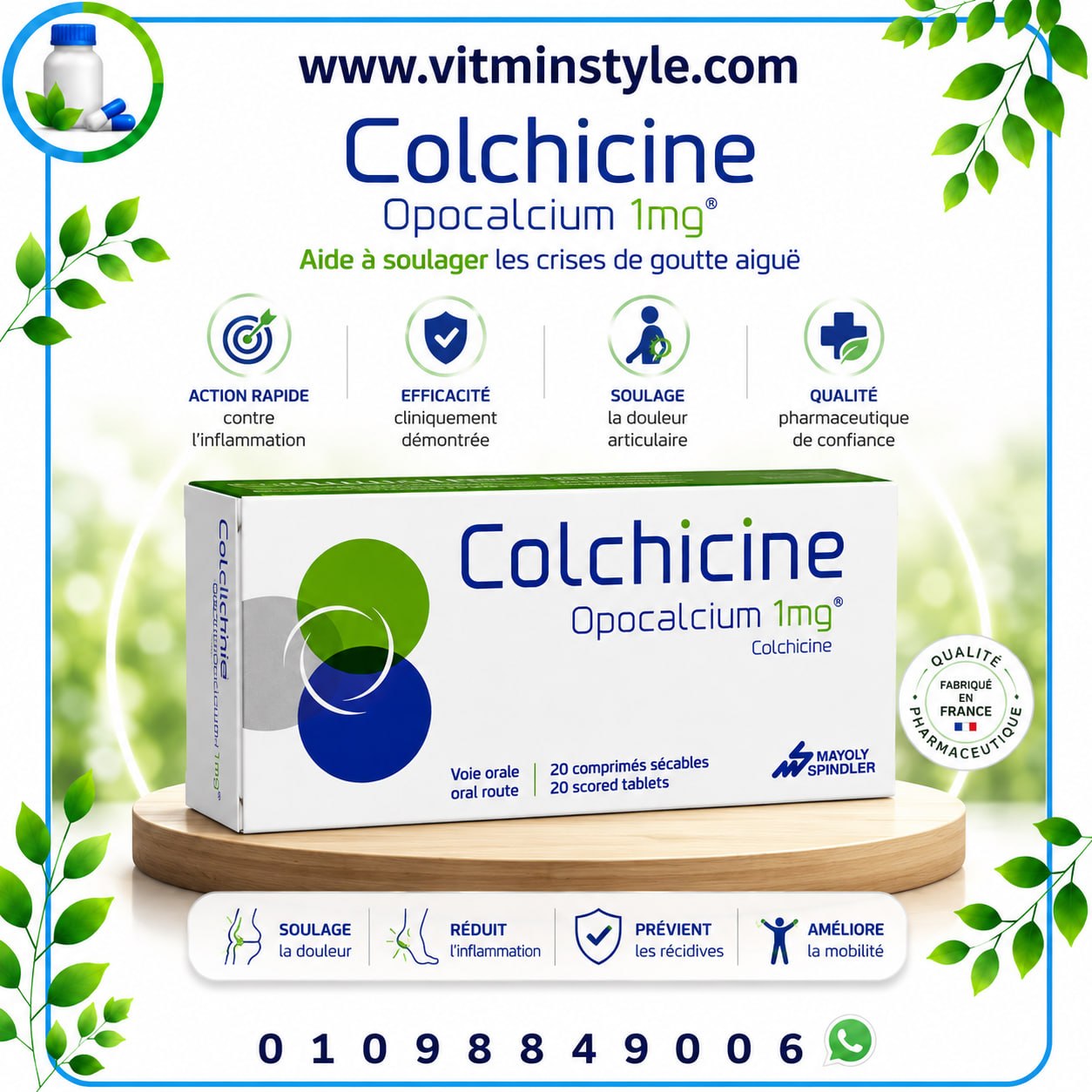
- Well-established treatment for acute gout flare-ups
- Helps relieve joint pain and inflammation
- Scored tablet allows for precise, physician-directed dosing
- Manufactured to pharmaceutical quality standards in France
Real Use Cases Colchicine
Colchicine Opocalcium is used to treat acute gout attacks and, in some cases as directed by a doctor, may be used short-term to help prevent flare-ups during the early stages of other gout treatments.
Who Is It Best For ? Colchicine
It is prescribed for adults experiencing an acute gout flare who have been evaluated by a doctor, particularly those with normal kidney and liver function who are not on medications that interact with colchicine.
Who Should Avoid It?
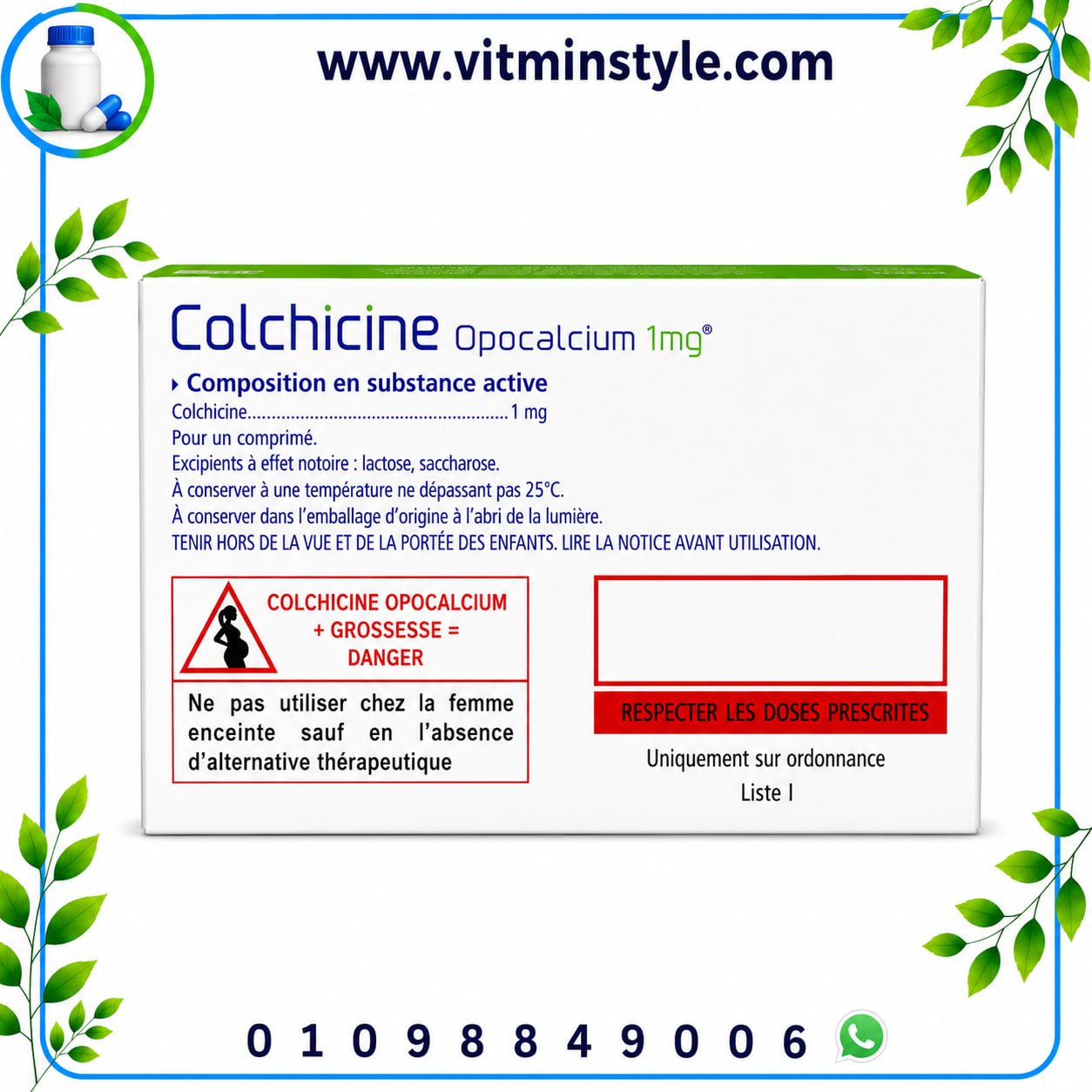
Colchicine should not be used by pregnant women except when no therapeutic alternative exists, and requires caution in those with significant kidney or liver impairment, blood disorders, or known hypersensitivity to colchicine. Combining colchicine with certain drugs (see interactions below) can be dangerous and must be avoided.
How to Use Correctly
Take colchicine exactly as prescribed by your doctor, respecting the exact dose and schedule given. Never take more than prescribed, even if pain persists, as colchicine toxicity can be serious and potentially life-threatening.
Best Time to Use
Dosing timing during an acute gout attack is determined by your physician based on the stage and severity of the flare. There is no general “best time” outside of your doctor’s specific instructions.
Common Questions Users Ask
Patients often ask how quickly colchicine relieves gout pain, whether it can be combined with other pain relievers, and what symptoms indicate an overdose. These questions should always be directed to the prescribing physician given colchicine’s narrow safety margin.
Expected Results Timeline
Pain and inflammation typically begin to improve within the first 24–48 hours of appropriately dosed treatment, though individual response varies and should be monitored by your doctor.
Common Mistakes
- Taking extra doses hoping for faster pain relief
- Combining colchicine with interacting medications without medical advice
- Ignoring early signs of toxicity such as nausea, vomiting, or diarrhea
- Using it without a confirmed gout diagnosis or physician guidance
Myths vs Facts
| Myth | Fact |
|---|---|
| “Taking more colchicine relieves gout pain faster” | Colchicine has a narrow safety margin; exceeding the prescribed dose can cause serious, potentially life-threatening toxicity |
| “It’s safe to combine with any medication” | Colchicine has serious interactions with several common drug classes and requires careful review of your full medication list |
Drug Interactions
Colchicine has clinically significant interactions with certain antibiotics Colchicine (such as clarithromycin and erythromycin), antifungals, some cholesterol-lowering drugs (statins and fibrates), and certain calcium channel blockers, all of which can raise colchicine levels to dangerous concentrations. Always give your doctor a complete list of your current medications before starting colchicine.
Contraindications
Contraindicated in severe kidney or liver impairment combined with certain interacting drugs, known hypersensitivity to colchicine, and in pregnancy except where no therapeutic alternative exists, as determined by a physician.
Required Tests
Doctors typically assess kidney and liver function before and during colchicine therapy, and may monitor blood cell counts, especially with repeated or prolonged use.
What to Eat With It
There are no specific food requirements, but grapefruit and grapefruit juice should generally be avoided as they can affect how colchicine is processed by the body. Follow your doctor’s specific dietary guidance.
Effect on Other Medications
Colchicine can interact seriously with certain antibiotics, antifungals, statins, and calcium channel blockers. Always inform your doctor of all prescription, over-the-counter, and herbal products you use before starting treatment.
When to See a Doctor
Seek immediate medical attention for persistent nausea, vomiting, diarrhea, abdominal pain, unusual bruising or bleeding, muscle weakness, or numbness/tingling, as these may indicate colchicine toxicity requiring urgent evaluation.
NSL Expert Tip
“Colchicine is genuinely effective for gout, but it’s one of the few medicines where the gap between a helpful dose and a harmful one is very small — never adjust the dose yourself, and always report new symptoms to your doctor promptly.” — Dr. Abdallah Fouad, Clinical Nutrition Specialist
Conversational FAQ
How fast does colchicine relieve gout pain? Improvement is often noticeable within 24–48 hours of correctly dosed treatment.
Can I take extra tablets if the pain doesn’t improve? No, never exceed your prescribed dose — contact your doctor instead.
Is colchicine safe with other medications? Not always; several common drugs interact seriously with colchicine, so your doctor must review your full medication list.
Conclusion
Colchicine Opocalcium 1mg is an effective, well-established treatment for acute gout flare-ups, but its narrow safety margin means it must be used exactly as prescribed, with close attention to interactions and warning signs of toxicity.


Reviews
There are no reviews yet.