


Colchicine 1mg Opocalcium – Complete Guide: Uses, Dosage, Side Effects & Gout Relief
Key Facts at a Glance
| Active Ingredient | Colchicine 1 mg |
|---|---|
| Brand | Opocalcium (France) |
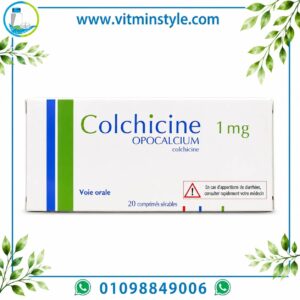
| Pack Size | 20 scored tablets |
| Route | Oral (by mouth) |
| Primary Use | Acute gout attack treatment & prevention |
| Prescription Required | Yes – Rx only |
| Country of Origin | France |
| Barcode | 6118000082156 |
Table of Contents
- What Is Colchicine 1mg Opocalcium?
- How Does It Work?
- Main Benefits
- Real Use Cases
- Who Is It Best For?
- Who Should Avoid It?
- How to Use Correctly
- Best Time to Use
- Expected Results Timeline
- Common Mistakes
- Myths vs Facts
- Drug Interactions
- Contraindications
- Required Tests
- What to Eat With It
- Effect on Other Medications
- When to See a Doctor
- Vitamin Style Expert Tip
- FAQ
- Conclusion
- References
- Medical Disclaimer
Introduction
Gout is one of the most painful forms of arthritis, affecting millions worldwide. When uric acid crystals accumulate in joints, the result is intense swelling, redness, and burning pain — most commonly in the big toe. Colchicine 1mg Opocalcium is one of the most clinically established treatments for managing these attacks quickly and effectively.
This guide covers everything you need to know about Colchicine 1mg Opocalcium: how it works, who should use it, potential interactions, and practical advice for getting the best results.
What Is Colchicine 1mg Opocalcium?
Colchicine 1mg Opocalcium is a prescription-only oral medication manufactured by the French pharmaceutical company Opocalcium. Each pack contains 20 scored tablets, each delivering 1 mg of colchicine — the active alkaloid derived from the autumn crocus plant (Colchicum autumnale).
It is classified as an anti-gout and anti-inflammatory agent, primarily prescribed for the treatment and prevention of acute gout attacks. It is also used in some cases for familial Mediterranean fever (FMF) and pericarditis.
How Does It Work?
Colchicine works by inhibiting tubulin polymerization, which disrupts the migration of neutrophils (white blood cells) to the inflamed joint. This reduces the inflammatory response triggered by uric acid crystal deposits without directly lowering uric acid levels in the blood.
In simple terms: colchicine does not remove the uric acid crystals, but it stops the body’s painful immune reaction to them — providing fast relief from gout attack symptoms.
Main Benefits
- Rapid reduction of acute gout attack pain and swelling
- Prevention of recurrent gout flares when used as maintenance therapy
- Well-established safety profile with decades of clinical use
- Scored tablets allow easy dose splitting under medical guidance
- Manufactured to French pharmaceutical standards (Opocalcium)
- Suitable for patients who cannot tolerate NSAIDs or corticosteroids
Real Use Cases
- Acute gout flare: Starting colchicine within 12–24 hours of a gout attack significantly reduces pain and swelling duration.
- Gout prevention: Low-dose colchicine is prescribed alongside urate-lowering therapy (e.g., allopurinol) to prevent flares during the initiation phase.
- Familial Mediterranean Fever (FMF): Long-term colchicine is the standard treatment for preventing FMF attacks.
- Pericarditis: Used in combination with anti-inflammatory therapy to prevent recurrence.
Who Is It Best For?
- Adults diagnosed with acute gout or recurrent gout attacks
- Patients who cannot use NSAIDs due to kidney, stomach, or cardiovascular issues
- Patients starting urate-lowering therapy who need flare prophylaxis
- Patients with familial Mediterranean fever
- Patients with recurrent pericarditis (under cardiologist supervision)
Who Should Avoid It?
- Patients with severe kidney impairment (eGFR < 30 mL/min)
- Patients with severe hepatic (liver) impairment
- Patients taking strong CYP3A4 inhibitors or P-glycoprotein inhibitors concurrently
- Pregnant women (use only if clearly necessary and under strict supervision)
- Patients with known hypersensitivity to colchicine
- Patients with blood dyscrasias
How to Use Correctly
Always follow your doctor’s instructions. Typical dosing for an acute gout attack:
- Initial dose: 1 mg at the first sign of a gout attack
- Follow-up dose: 0.5 mg (half tablet) after 1 hour if needed
- Maximum dose per attack: 1.5 mg (do not exceed)
- Prevention dose: 0.5–1 mg once daily as directed by your doctor
Tablets can be taken with or without food. The scored tablet allows easy splitting into 0.5 mg halves.
Best Time to Use
For acute gout attacks: take colchicine as early as possible — ideally within 12 hours of symptom onset. Earlier treatment leads to faster and more effective relief. For prevention: take at the same time each day to maintain consistent blood levels.
Expected Results Timeline
| Timeframe | Expected Outcome |
|---|---|
| Within 12–24 hours | Noticeable reduction in pain and swelling |
| 24–48 hours | Significant improvement in joint mobility |
| 3–5 days | Most acute attack symptoms resolved |
| 3–6 months (prevention) | Reduced frequency of gout flares |
Common Mistakes to Avoid
- Delaying treatment — colchicine works best when taken early
- Exceeding the recommended dose — higher doses do not improve results but increase toxicity risk
- Stopping urate-lowering therapy when a flare occurs — continue allopurinol as prescribed
- Self-medicating without a prescription — always use under medical supervision
- Ignoring diarrhea or GI symptoms — these may indicate toxicity requiring dose adjustment
Myths vs Facts
| Myth | Fact |
|---|---|
| Colchicine lowers uric acid | It does not — it reduces inflammation only |
| Higher doses work faster | Low-dose colchicine is equally effective with fewer side effects |
| It can be taken without a prescription | Colchicine is an Rx-only medication requiring medical supervision |
| Colchicine is only for gout | It is also used for FMF and pericarditis |
Drug Interactions
Colchicine is metabolized by CYP3A4 and P-glycoprotein pathways. The following drug combinations require caution or dose adjustment:
| Drug / Class | Interaction Risk |
|---|---|
| Clarithromycin, Erythromycin (macrolides) | Increased colchicine toxicity risk – avoid combination |
| Cyclosporine, Tacrolimus | Significantly elevated plasma colchicine levels – contraindicated |
| Statins (simvastatin, atorvastatin) | Increased risk of myopathy – monitor closely |
| Ketoconazole, Itraconazole (azole antifungals) | Strong CYP3A4 inhibitors – increase colchicine levels |
| Ritonavir, Atazanavir (HIV protease inhibitors) | Severe colchicine toxicity risk – avoid or reduce dose |
| Digoxin | Increased digoxin toxicity risk |
| Verapamil, Diltiazem | Inhibit P-glycoprotein – increase colchicine exposure |
Always inform your doctor of all medications, supplements, and herbal products you are taking before starting colchicine.
Contraindications
- Severe renal impairment (eGFR < 30 mL/min) without dose adjustment
- Severe hepatic impairment
- Known hypersensitivity to colchicine or any excipient
- Concomitant use of cyclosporine or strong CYP3A4 inhibitors in patients with renal or hepatic impairment
- Blood dyscrasias (bone marrow disorders)
Required Tests & Monitoring
Before and during colchicine therapy, the following tests are recommended:
- Serum uric acid level – to monitor gout status and response to urate-lowering therapy
- Complete blood count (CBC) – colchicine can rarely cause bone marrow suppression
- Kidney function tests (eGFR, creatinine) – essential before prescribing; dose adjustment needed if impaired
- Liver function tests (LFTs) – especially important for long-term use
- Creatine kinase (CK) – if myopathy symptoms appear (muscle weakness or pain)
What to Eat With Colchicine
Diet plays a key role in managing gout alongside medication. Recommended dietary guidance:
- Increase water intake – aim for 2–3 liters daily to support uric acid excretion
- Low-purine foods – vegetables, low-fat dairy, eggs, whole grains
- Cherries – clinical studies suggest tart cherry consumption reduces gout attack frequency
- Vitamin C-rich foods – citrus fruits, bell peppers (shown to modestly lower uric acid)
- Avoid red meat, organ meats (liver, kidneys), shellfish, alcohol (especially beer), and high-fructose foods
- Colchicine can be taken with or without food — taking it with a light meal may reduce GI discomfort
Effect on Other Medications
Colchicine does not directly alter the efficacy of most medications, but its interactions can affect how other drugs are processed:
- It may increase the plasma levels of drugs that are also P-glycoprotein substrates
- Combined use with statins increases myopathy risk — your doctor may adjust statin dosing
- It does not interact with allopurinol or febuxostat (common urate-lowering agents) in a clinically significant way
- NSAIDs can be used alongside colchicine in some protocols, but GI side effects may increase
When to See a Doctor
Seek immediate medical attention if you experience:
- Severe or persistent diarrhea, nausea, or vomiting
- Blood in stool or unusual bruising/bleeding
- Muscle weakness, pain, or tenderness (possible myopathy)
- Signs of bone marrow suppression: unusual fatigue, fever, frequent infections
- Numbness or tingling in hands or feet (neuropathy)
- Gout attack symptoms that do not improve within 3–5 days of treatment
- Any signs of allergic reaction: rash, difficulty breathing, swelling
Vitamin Style Expert Tip
Frequently Asked Questions
Is Colchicine 1mg Opocalcium safe for long-term use?
Yes, at low doses (0.5–1 mg/day), colchicine is generally considered safe for long-term use under medical supervision. Regular blood and kidney function monitoring is recommended.
Can I take colchicine with ibuprofen?
Both can be used together in some protocols, but combining them increases the risk of gastrointestinal side effects. Always consult your doctor before combining.
How quickly does Colchicine 1mg Opocalcium work?
Most patients experience noticeable improvement within 12–24 hours of starting treatment, with significant relief by 48 hours, especially if taken at the first sign of an attack.
Does colchicine cure gout?
No — colchicine treats the inflammation of gout attacks but does not lower uric acid levels or cure gout. Long-term management requires urate-lowering therapy and dietary changes.
What should I do if I miss a dose?
Take the missed dose as soon as you remember. If it is almost time for the next dose, skip the missed one. Never double-dose colchicine.
Is colchicine available without a prescription?
No. Colchicine 1mg Opocalcium is a prescription-only medication (Rx) and should only be used under the supervision of a licensed physician.
Conclusion
Colchicine 1mg Opocalcium remains one of the most reliable and clinically proven options for managing acute gout attacks and preventing their recurrence. With its well-established mechanism, convenient scored tablet format, and strong safety profile at low doses, it is a trusted first-line choice for gout management.
For optimal results, colchicine should be part of a comprehensive gout management plan that includes urate-lowering therapy, dietary modifications, adequate hydration, and regular medical follow-up.
Available at Vitamin Style — your trusted source for original, imported pharmaceutical products in Egypt.
Trusted References
- NIH – Colchicine: Mechanism and Clinical Use
- Drugs.com – Colchicine Drug Information
- Mayo Clinic – Colchicine Oral Route
- American College of Rheumatology – Gout
- UpToDate – Colchicine Drug Information



Reviews
There are no reviews yet.