

Lasix 500mg Furosemide: Uses, How It Works & Safety Guide
Key Facts Table
| Active Ingredient | Furosemide (500mg per tablet) |
|---|---|
| Drug Class | Loop diuretic |
| Route | Oral tablet |
| Legal Status | Prescription Only Medicine |
| Manufacturer | Sanofi |
| Storage | Store below 25°C, protect from light and moisture |
Table of Contents
- Introduction
- What Is Lasix 500mg?
- How Does It Work?
- Main Benefits
- Real Use Cases
- Who Is It Best For?
- Who Should Avoid It?
- How to Use Correctly
- Best Time to Use
- Common Questions Users Ask
- Expected Results Timeline
- Common Mistakes
- Myths vs Facts
- Drug Interactions
- Contraindications
- Required Tests
- What to Eat With It
- Effect on Other Medications
- When to See a Doctor
- NSL Expert Tip
- Conversational FAQ
- Conclusion
Introduction
Lasix (furosemide) is one of the most established loop diuretics in clinical use, prescribed to help the body eliminate excess fluid. The 500mg strength is a high dose reserved for specific clinical situations, most often in patients with significant kidney impairment who do not respond adequately to standard doses. It must be prescribed and monitored by a physician.
What Is Lasix 500mg?
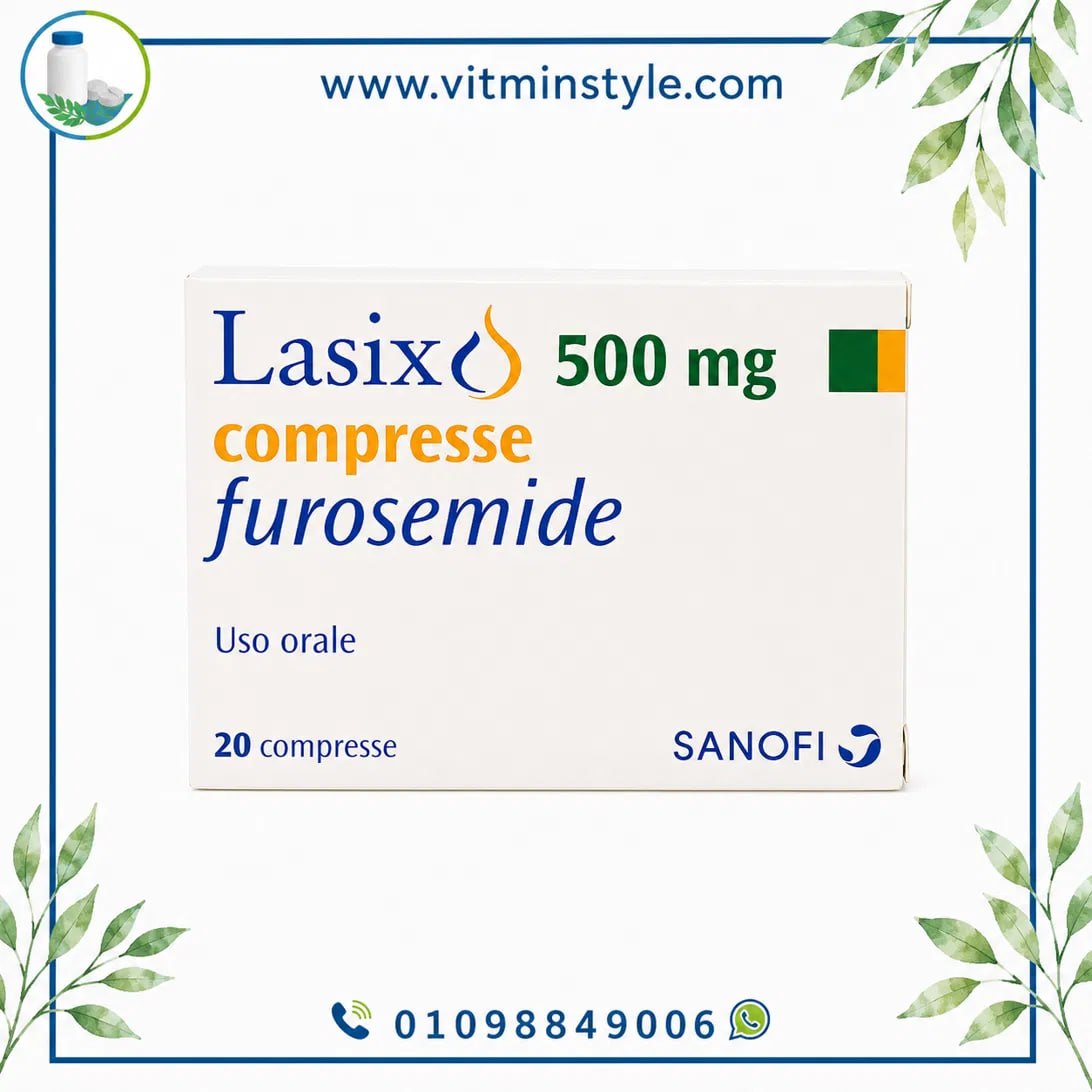
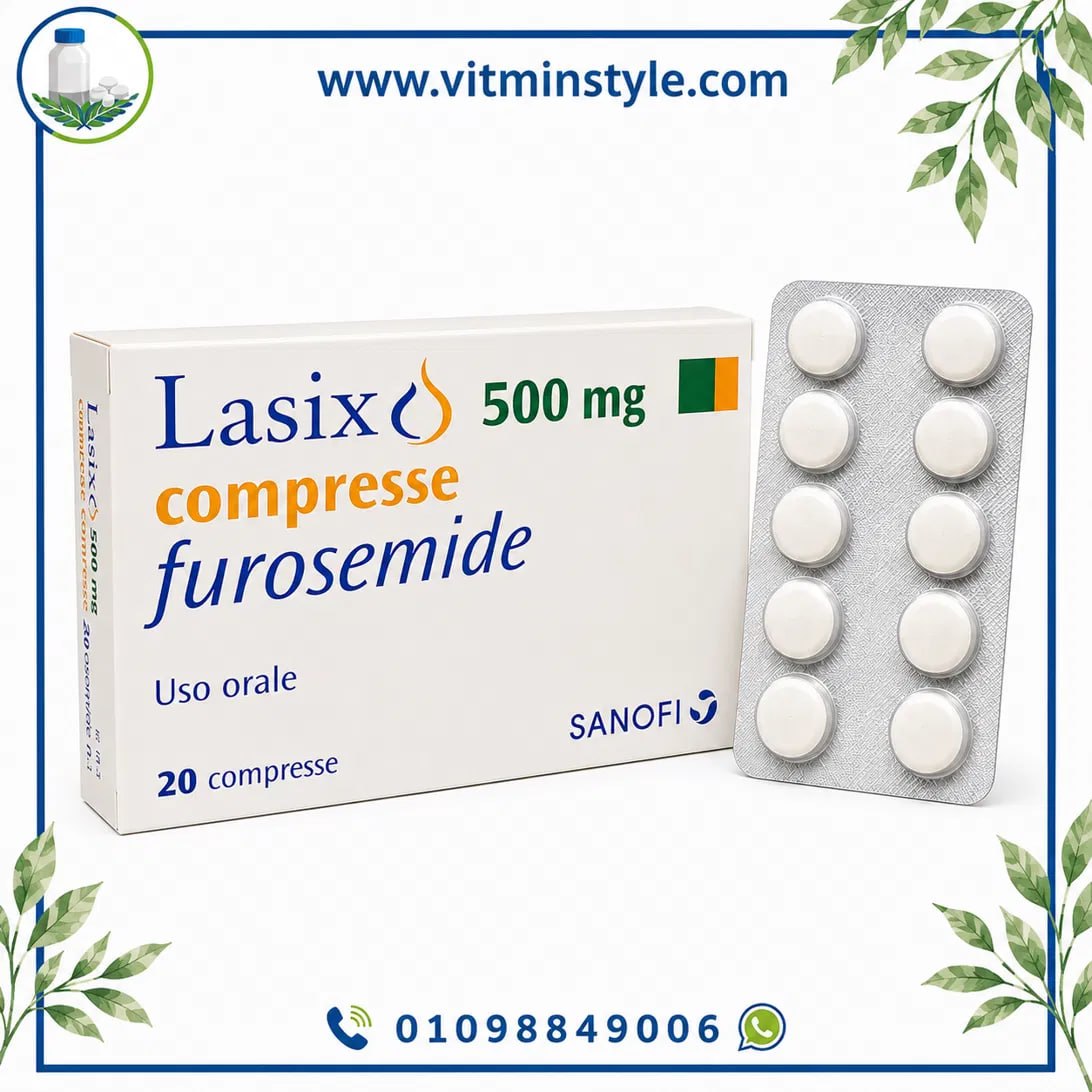
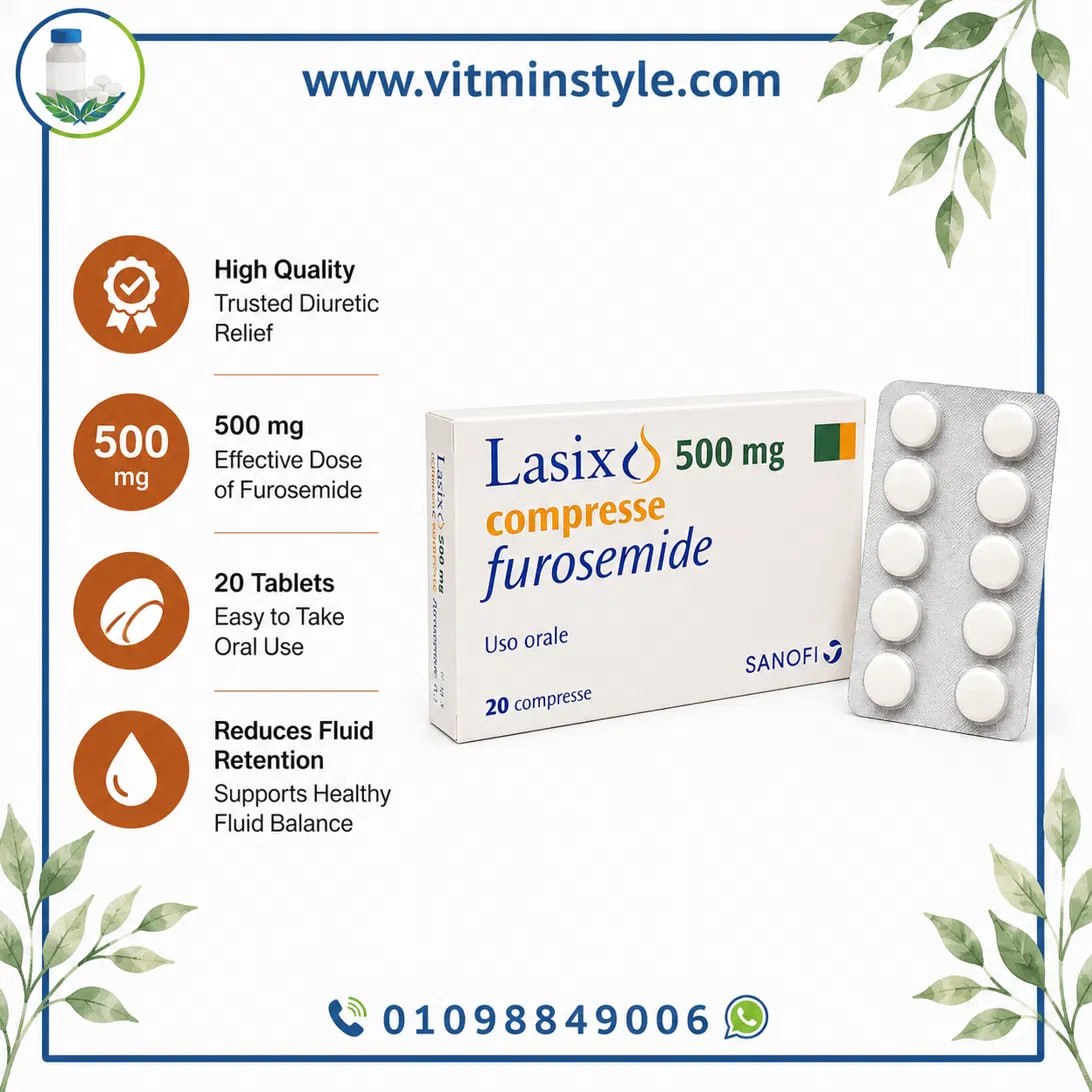
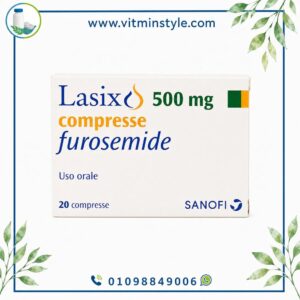
Lasix 500mg is an oral tablet containing furosemide, manufactured by Sanofi. Each box contains 20 tablets for oral use, and this strength is significantly higher than the standard furosemide doses commonly prescribed for routine fluid retention.
How Does It Work?
Furosemide is a loop diuretic that acts on the kidneys, specifically the loop of Henle, to block the reabsorption of sodium and chloride. This increases the excretion of water, sodium, and other electrolytes in the urine, reducing fluid buildup in the body (edema).
Main Benefits
- Effective reduction of fluid retention (edema) in appropriately selected patients
- High-strength option for cases where standard doses are insufficient
- Well-established active ingredient with decades of clinical use
- Manufactured by Sanofi, a globally recognized pharmaceutical company
Real Use Cases
Lasix 500mg is typically used in patients with significant renal impairment or advanced heart failure who require higher furosemide doses to achieve adequate diuresis, always under close hospital or specialist supervision.
Who Is It Best For?
It is intended strictly for patients whose doctor has confirmed, after full kidney function and cardiovascular evaluation, that this higher furosemide strength is appropriate and necessary for their specific condition.
Who Should Avoid It?
This high-strength product should be avoided by patients with anuria (inability to produce urine), severe electrolyte depletion, known hypersensitivity to furosemide or sulfonamides, and those who are not under close medical supervision. Given the elevated dose, medical clearance and monitoring are essential.
How to Use Correctly
Take Lasix exactly as prescribed by your doctor, respecting the exact dose and schedule given. Never adjust the dose yourself, and attend all scheduled follow-up appointments for kidney function and electrolyte monitoring.
Best Time to Use
Furosemide is often taken in the morning to avoid nighttime urination, but exact timing should follow your doctor’s specific instructions based on your treatment plan.
Common Questions Users Ask
Patients often ask why this dose is so much higher than standard Lasix tablets, how to manage frequent urination, and what electrolyte symptoms to watch for. These questions should be directed to the prescribing physician given the significant dose and monitoring requirements.
Expected Results Timeline
Furosemide typically begins working within 30–60 minutes of an oral dose, with effects lasting several hours. Reduction in fluid retention is usually monitored over days to weeks through weight, symptoms, and lab tests as directed by your doctor.
Common Mistakes
- Adjusting the dose without medical guidance
- Skipping scheduled blood tests for kidney function and electrolytes
- Not reporting symptoms like muscle cramps, dizziness, or excessive thirst
- Combining with other medications without informing your doctor
Myths vs Facts
| Myth | Fact |
|---|---|
| “Higher furosemide dose always works better” | High doses like 500mg are reserved for specific clinical situations and carry a greater risk of electrolyte imbalance and dehydration |
| “Diuretics are safe to self-adjust” | Furosemide dosing requires medical supervision, as incorrect use can cause dangerous fluid and electrolyte disturbances |
Drug Interactions
Furosemide interacts with lithium (increasing lithium toxicity risk), aminoglycoside antibiotics (increased risk of kidney and hearing damage), NSAIDs (reduced diuretic effect and kidney risk), digoxin (increased toxicity risk if potassium is low), and other blood pressure medications. Always disclose your complete medication list to your doctor before starting or continuing Lasix.
Contraindications
Contraindicated in patients with anuria, severe electrolyte depletion, known hypersensitivity to furosemide or sulfonamide-derived drugs, and in states of severe dehydration until fluid status is corrected.
Required Tests
Doctors typically monitor kidney function (creatinine, eGFR), electrolytes (sodium, potassium, chloride), and blood pressure regularly during treatment with high-dose furosemide, given the significant risk of imbalance.
What to Eat With It
Your doctor may recommend specific dietary guidance regarding sodium and potassium intake based on your lab results. Do not start potassium supplements or salt substitutes without medical advice, as furosemide affects electrolyte balance.
Effect on Other Medications
Furosemide can significantly affect the levels and effects of lithium, digoxin, and certain antibiotics, and its own effectiveness can be reduced by NSAIDs. Always inform your doctor of all medications you are taking.
When to See a Doctor
Seek immediate medical attention for signs of dehydration or electrolyte imbalance, including severe dizziness, muscle cramps, irregular heartbeat, extreme thirst, confusion, or a significant decrease in urine output.
NSL Expert Tip
“A 500mg furosemide dose is a specialized clinical decision, not a starting point — it’s reserved for cases where lower doses haven’t achieved adequate results and where a doctor is actively monitoring kidney function and electrolytes.” — Dr. Abdallah Fouad, Clinical Nutrition Specialist
Conversational FAQ
Why is Lasix 500mg so much stronger than regular Lasix tablets? It’s reserved for patients whose doctor has determined that standard doses aren’t achieving adequate fluid control, often due to reduced kidney function.
Can I take this without medical supervision? No, given the elevated dose, close monitoring of kidney function and electrolytes is essential.
How fast does it work? It typically begins working within 30–60 minutes of an oral dose.
Conclusion
Lasix 500mg Furosemide is a high-strength diuretic reserved for specific clinical situations requiring elevated doses. It must be prescribed and closely monitored by a physician, with regular assessment of kidney function and electrolyte balance.




Reviews
There are no reviews yet.