
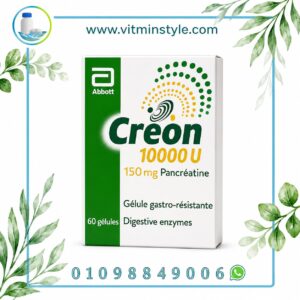
Creon 10000 U – Pancreatic Enzyme Replacement Therapy for Exocrine Pancreatic Insufficiency | Abbott France
Key Facts at a Glance
| Feature | Detail |
|---|---|
| Drug Class | Pancreatic enzyme replacement therapy (PERT) |
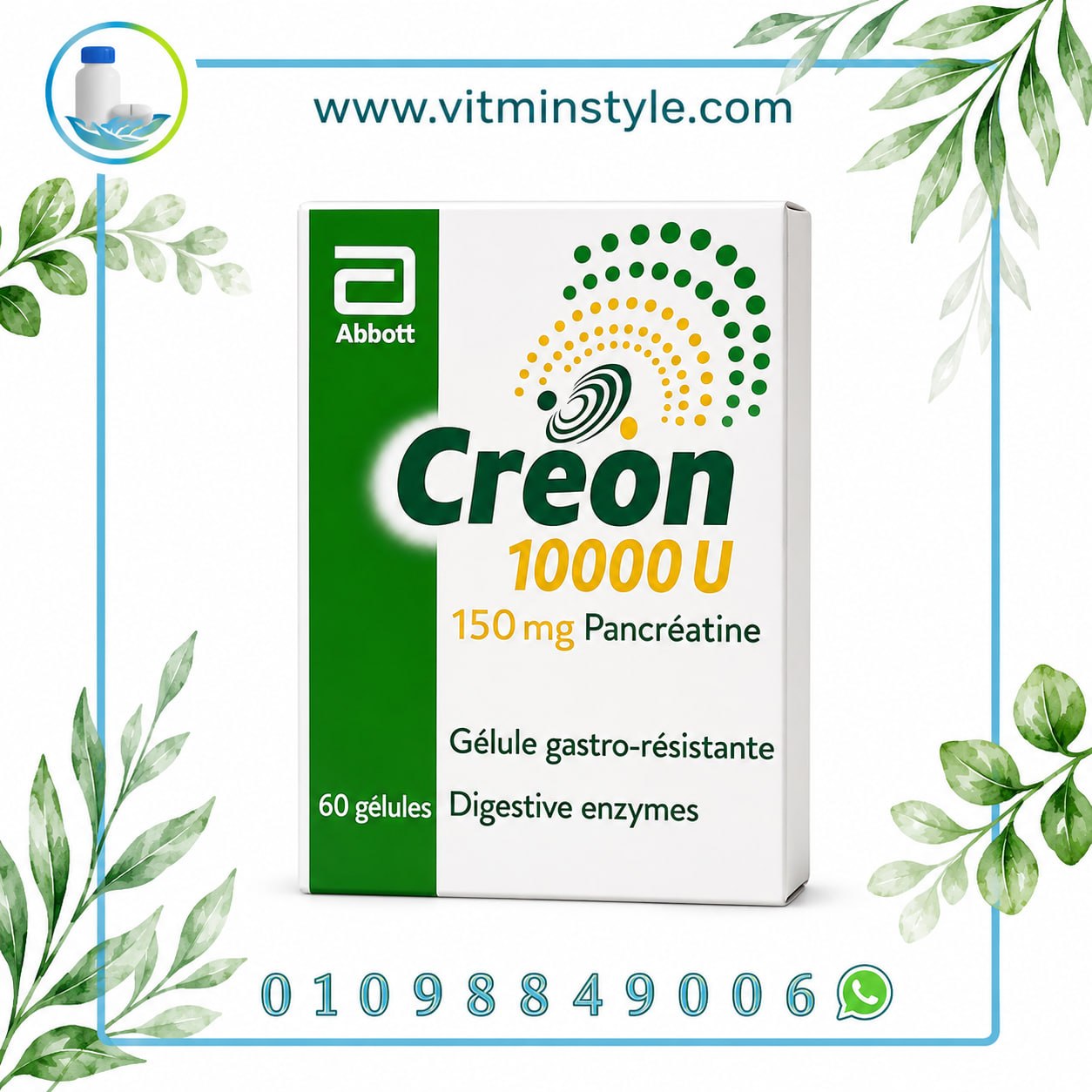
| Active Ingredient | Pancreatin 150mg (porcine source) |
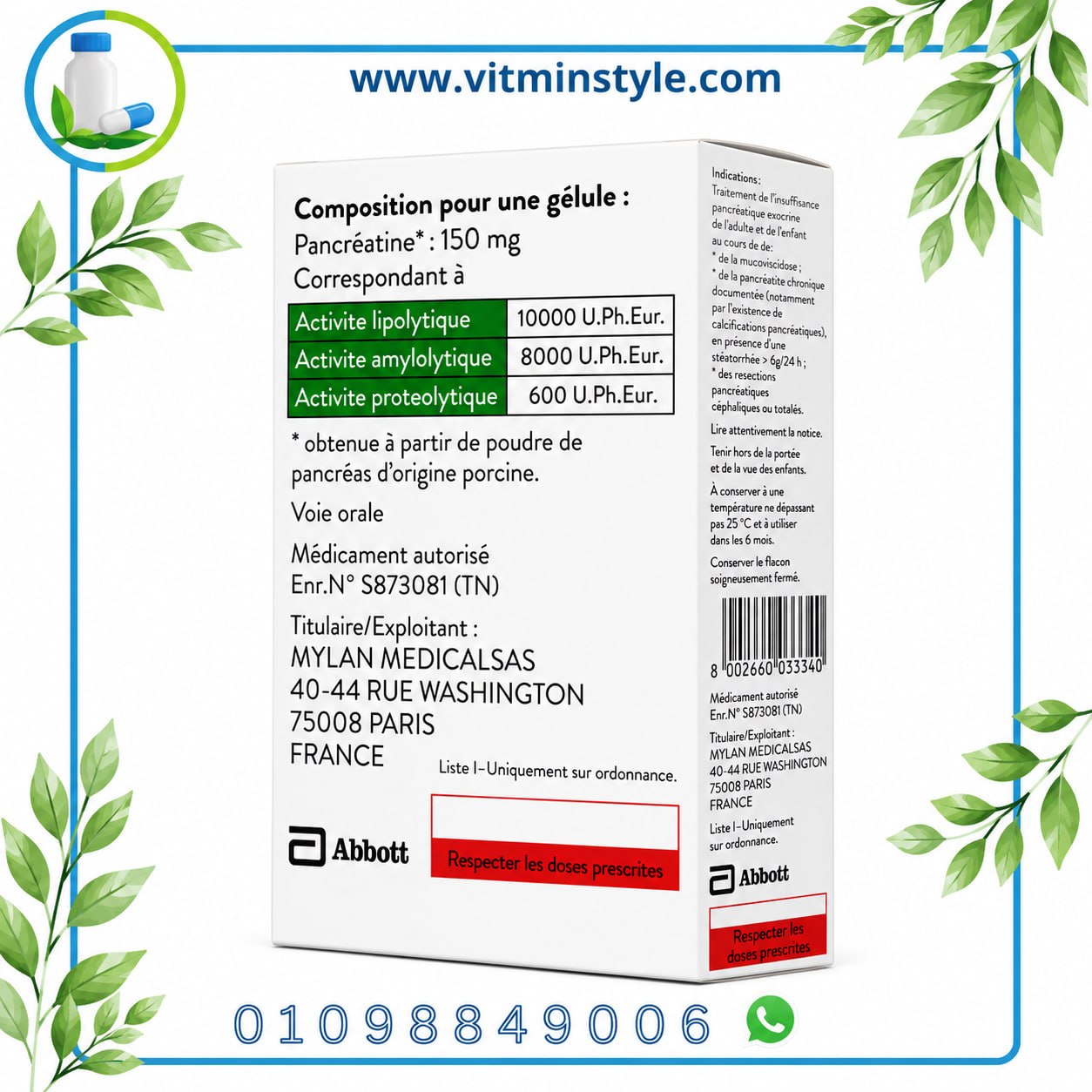
| Enzyme Activity | Lipase 10,000 U | Amylase 8,000 U | Protease 600 U (all Ph.Eur.) |
| Capsule Type | Gastro-resistant (enteric-coated) – protects enzymes from stomach acid |
| Quantity | 60 capsules per bottle |
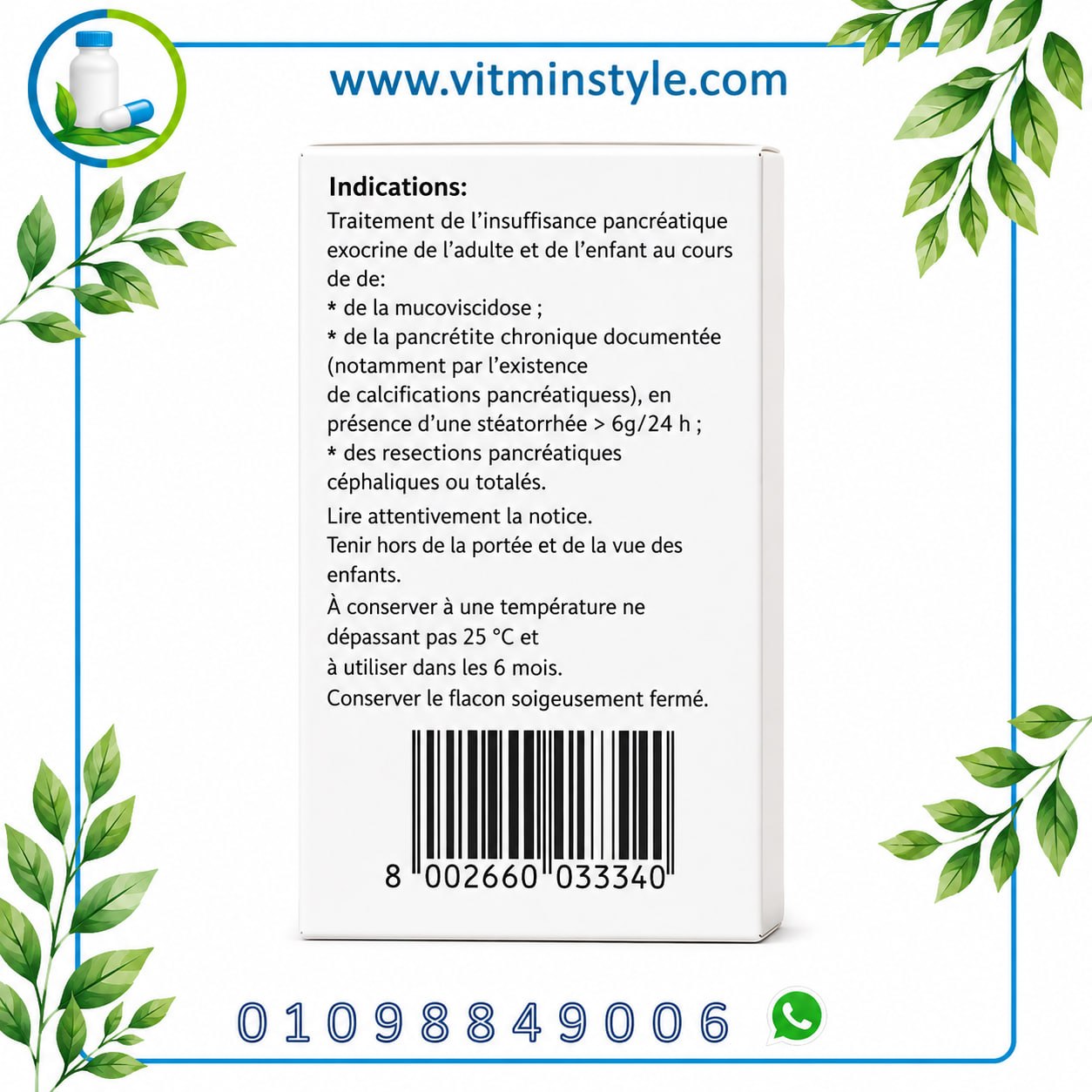
| Primary Indications | Cystic fibrosis, chronic pancreatitis with steatorrhea, post-pancreatic resection |
| Marketing Authorization | Enr.N° S873081 (TN) | GTIN: 8002660033340 |
| Authorization Holder | Mylan Medical SAS – 40-44 Rue Washington, 75008 Paris, France (Abbott) |
| Storage | Below 25°C – use within 6 months of opening – keep bottle tightly closed |
| Prescription Status | Liste I – Prescription required |
Table of Contents
- What Is Creon 10000 U?
- Composition & Enzyme Activity
- How Does It Work?
- Medical Indications
- Clinical Use Cases
- Who Is It Prescribed For?
- Who Should NOT Use It or Use With Caution?
- How to Use Correctly
- When to Take
- Expected Clinical Timeline
- Common Mistakes
- Myths vs Facts
- Drug Interactions
- Contraindications
- Required Monitoring
- What to Eat With It
- Effect on Other Medications
- When To See a Doctor Urgently
- Expert Tip
- FAQ
- Conclusion
- Medical Disclaimer
- Trusted Sources
Introduction
The pancreas plays a dual role in the body — producing insulin for blood sugar regulation (endocrine function) and producing digestive enzymes that break down fats, proteins, and carbohydrates in the small intestine (exocrine function). When the exocrine function is impaired — through conditions such as cystic fibrosis, chronic pancreatitis, or pancreatic surgery — the body cannot digest food properly. The result is malabsorption, malnutrition, fatty stools (steatorrhea), and significant weight loss. Pancreatic enzyme replacement therapy (PERT) with Creon 10000 U directly addresses this deficiency by supplying the missing enzymes orally with each meal.
What Is Creon 10000 U?
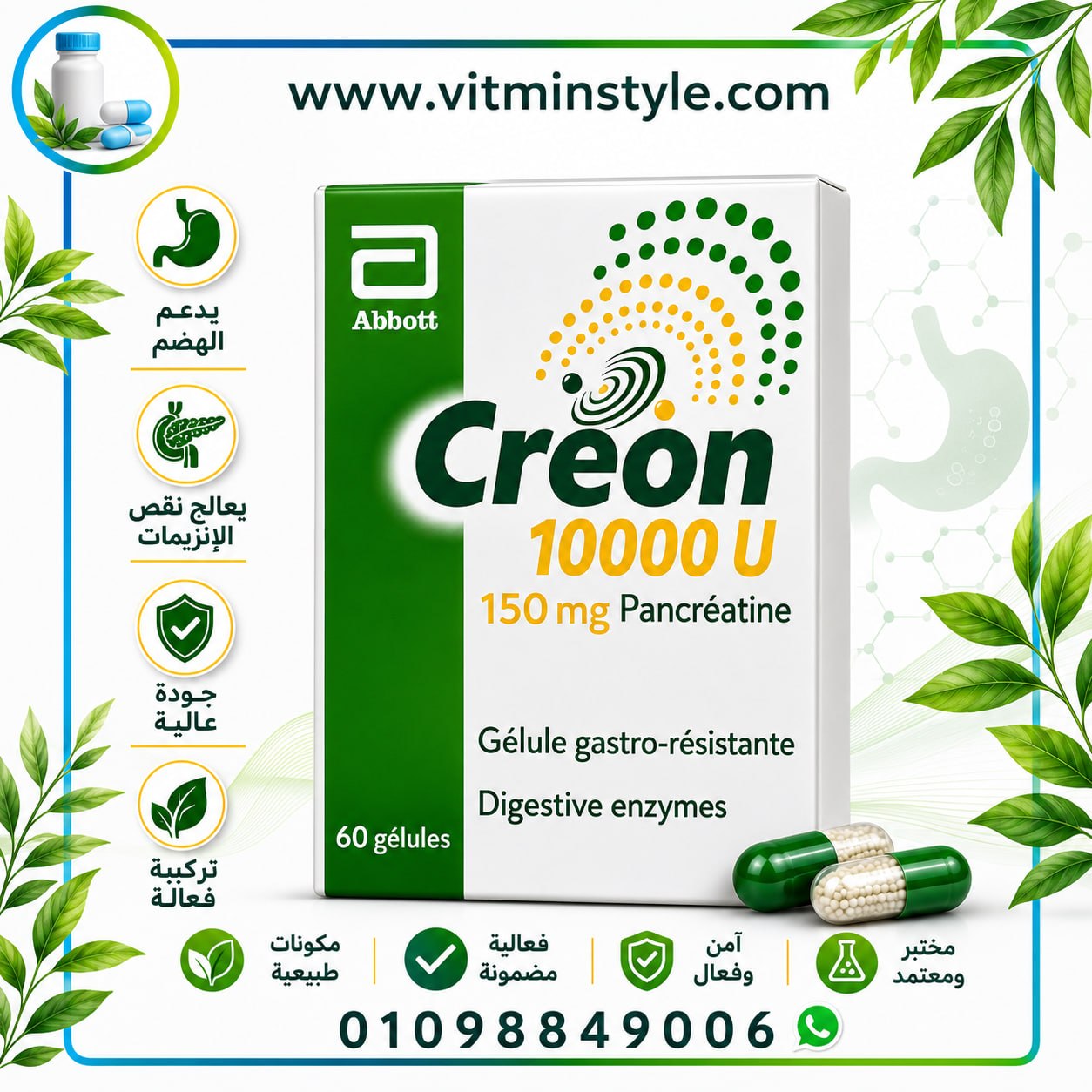
Creon 10000 U is a gastro-resistant capsule form of pancreatin — a mixture of digestive enzymes (lipase, amylase, protease) extracted and purified from porcine (pig) pancreas. It is manufactured under the Abbott brand and distributed by Mylan Medical SAS in France, authorized under registration number S873081 (TN). The “10000 U” designation refers to the lipase activity per capsule — 10,000 units as measured by European Pharmacopoeia (Ph.Eur.) standards. The gastro-resistant (enteric-coated) capsule design ensures the enzymes are protected from stomach acid and only released in the slightly alkaline environment of the small intestine, where they can exert their digestive function.
Composition & Enzyme Activity
| Enzyme | Activity per Capsule | Function |
|---|---|---|
| Lipase | 10,000 U.Ph.Eur. | Breaks down dietary fats (triglycerides) into fatty acids — prevents steatorrhea (fatty stools) |
| Amylase | 8,000 U.Ph.Eur. | Breaks down carbohydrates (starches) into simpler sugars for absorption |
| Protease | 600 U.Ph.Eur. | Breaks down dietary proteins into amino acids and peptides |
Source: Pancreatin is obtained from porcine (pig) pancreas powder. Patients with religious or dietary restrictions regarding pork products should be aware of this and consult their physician about alternative options.
How Does Creon 10000 U Work?
Creon 10000 U works by supplementing the digestive enzyme activity that the pancreas can no longer provide adequately:
- Capsule swallowed with food: The gastro-resistant capsule travels intact through the stomach, protected from destruction by stomach acid (pH ~2)
- Release in duodenum: As the capsule reaches the duodenum (first part of the small intestine, pH 5–7), the enteric coating dissolves and releases the pancreatin minimicrospheres
- Enzyme action: Lipase, amylase, and protease act on fat, carbohydrate, and protein molecules respectively, breaking them into absorbable forms
- Nutrient absorption: Digested nutrients — fatty acids, sugars, amino acids — are absorbed through the intestinal wall into the bloodstream
The lipase activity is the most critical for clinical outcomes — lipase deficiency causes the most significant and symptomatic fat malabsorption, resulting in steatorrhea, caloric deficiency, and fat-soluble vitamin deficiencies (A, D, E, K).
Medical Indications
According to the product label (French authorization), Creon 10000 U is indicated for exocrine pancreatic insufficiency in adults and children in the following conditions:
- Cystic Fibrosis (Mucoviscidosis): The most common indication in children — cystic fibrosis causes thick mucus to block pancreatic ducts, preventing enzyme secretion
- Chronic Documented Pancreatitis: Particularly when documented by pancreatic calcifications and steatorrhea exceeding 6g of fat per 24 hours
- Post-Pancreatic Resection: Following cephalic (head) or total pancreatectomy where surgical removal reduces or eliminates pancreatic enzyme production
Clinical Use Cases
| Condition | Role of Creon 10000 U |
|---|---|
| Cystic Fibrosis (children & adults) | Standard PERT to correct EPI — enables normal growth and prevents malnutrition in CF patients |
| Chronic Pancreatitis with steatorrhea | Reduces fatty stool, improves caloric absorption, and prevents fat-soluble vitamin deficiency |
| Post-total pancreatectomy | Complete enzyme replacement after surgical removal of pancreas — lifelong therapy typically required |
| Post-cephalic pancreatectomy | Partial replacement to compensate for reduced enzyme output from remaining pancreatic tissue |
Who Is It Prescribed For?
- Adults and children with cystic fibrosis and EPI — prescribed by pulmonologist or gastroenterologist
- Patients with chronic pancreatitis causing documented malabsorption
- Post-pancreatic surgery patients (cephalic or total resection)
- Patients with other causes of exocrine pancreatic insufficiency as diagnosed and prescribed by a physician
Who Should NOT Use It or Use With Caution?
- Acute pancreatitis or acute exacerbation of chronic pancreatitis: Enzyme supplementation is generally contraindicated during active pancreatic inflammation
- Patients with religious or dietary restrictions on pork products: Pancreatin is derived from porcine pancreas — discuss alternative sources with physician
- Known hypersensitivity to pancreatin or porcine proteins: Allergic reactions can occur
- Very high doses over prolonged periods in CF patients: Associated risk of fibrosing colonopathy — dose should not exceed recommended limits; physician monitoring essential
How to Use Correctly
Dosing is individualized — follow the prescribing physician’s exact instructions.
- Swallow capsules whole with water during or immediately after meals and snacks
- Do not crush or chew capsules — the gastro-resistant coating is essential for proper enzyme release
- For young children or patients who cannot swallow capsules: capsules may be opened and the minimicrospheres mixed with a small amount of slightly acidic soft food (e.g. apple puree, yogurt) — swallow immediately without chewing and do not mix with alkaline foods
- Dose is determined by the physician based on the degree of fat malabsorption, dietary fat intake, and clinical response
- Take with every meal and snack — not just main meals
When to Take
| Timing | Reason |
|---|---|
| During or immediately after every meal | Enzymes must be present in the small intestine when food arrives — taking before food means they may release before the food bolus reaches the duodenum |
| With every snack containing fat or protein | Even snacks require enzyme support if they contain macronutrients — the dose for snacks is typically half the meal dose |
| Not with fluids only (water, juice) | Pure fluid intake does not require enzyme supplementation |
Expected Clinical Timeline
- Days 1–7: Visible improvement in stool consistency and reduction of steatorrhea (fatty, pale, foul-smelling stools) with appropriate dosing
- Week 2–4: Reduction in bloating, abdominal cramps, and discomfort after meals; improvement in appetite
- Month 1–3: Weight stabilization or gain; improvement in fat-soluble vitamin levels (A, D, E, K) with consistent therapy
- Long-term: Prevention of malnutrition, maintenance of healthy weight, and prevention of complications of EPI (bone disease, night blindness from vitamin A deficiency, bleeding tendency from vitamin K deficiency)
Common Mistakes to Avoid
- Chewing or crushing capsules — destroys the enteric coating; enzymes are inactivated by stomach acid before reaching the small intestine
- Taking too long before meals — capsules should be taken during or immediately after eating, not 30–60 minutes before
- Skipping doses with snacks — fat-containing snacks also require enzyme coverage
- Mixing with alkaline foods — if opening capsules for children, use slightly acidic soft foods only (apple puree) not alkaline foods which damage the coating
- Self-adjusting doses in CF patients — dose escalation must be physician-supervised due to fibrosing colonopathy risk
- Inadequate hydration — drink adequate fluids during enzyme therapy
Myths vs Facts
| Myth | Fact |
|---|---|
| “Taking more Creon means better digestion” | Doses above therapeutic need do not improve digestion and carry risks, particularly fibrosing colonopathy at very high doses in CF. The physician determines the right dose based on fat malabsorption assessment. |
| “I only need Creon with big meals” | Any fat-containing meal or snack requires enzyme replacement. Missing doses with snacks leads to cumulative malabsorption. |
| “Creon treats pancreatitis” | Creon replaces enzymes that the damaged pancreas can no longer produce — it treats the consequence (malabsorption) not the inflammation itself. |
| “I can open the capsule and dissolve it in water” | Dissolving in water or mixing with alkaline foods destroys the enteric coating. If capsules must be opened, mix minimicrospheres only with slightly acidic soft food and swallow immediately. |
Drug Interactions
- Acarbose (antidiabetic): Pancreatin may reduce the effectiveness of acarbose, which works by inhibiting carbohydrate-digesting enzymes — combination may theoretically counteract acarbose’s mechanism
- Miglitol: Similar theoretical interaction as with acarbose
- Iron supplements: Pancreatin may reduce iron absorption — timing and monitoring may be needed
- Folic acid: Enzyme replacement therapy may affect folate absorption — physician may recommend supplementation
- Antacids / Proton Pump Inhibitors (PPIs): Not direct interactions but PPIs may improve Creon efficacy by maintaining higher pH in the duodenum, enhancing enteric coat dissolution and enzyme release
Contraindications
- Acute pancreatitis or acute exacerbation of chronic pancreatitis — do not use during active inflammation
- Known hypersensitivity to pancreatin or porcine proteins
- Patients with restriction from pork-derived products (religious, dietary, or medical reasons) — discuss with physician
Required Monitoring
Patients on long-term Creon therapy should be monitored for:
- Nutritional status: Body weight, BMI, albumin, prealbumin — regular assessment of nutritional recovery
- Fecal fat (steatorrhea assessment): 72-hour fecal fat collection or fecal elastase-1 test to assess adequacy of enzyme replacement
- Fat-soluble vitamins (A, D, E, K): Regular serum levels — EPI causes fat-soluble vitamin malabsorption; deficiencies may need separate supplementation
- Growth parameters in children: Height, weight, and nutritional markers in pediatric CF patients
- Colonoscopy / abdominal assessment in CF: At very high cumulative doses, fibrosing colonopathy surveillance may be recommended
- HbA1c and blood glucose: In patients with concomitant diabetes (particularly post-pancreatectomy)
What to Eat With It
- Balanced diet with fat: Patients on Creon should not restrict dietary fat — adequate fat intake is important for fat-soluble vitamin absorption and caloric sufficiency; Creon enables normal fat digestion
- High-calorie diet for CF and malnutrition patients: CF patients typically need 120–150% of normal caloric requirements; Creon facilitates this through improved fat absorption
- Fat-soluble vitamins (A, D, E, K): Often supplemented separately as EPI commonly causes deficiency despite enzyme replacement
- Adequate fluid intake: Supports digestion and pancreatic enzyme function
- Avoid very high-fat single meals: Spread fat intake across meals and adjust doses accordingly with physician guidance
Effect on Other Medications
Creon 10000 U is not known to have significant systemic pharmacokinetic drug interactions as it acts locally within the gastrointestinal tract. The primary consideration is with antidiabetic alpha-glucosidase inhibitors (acarbose, miglitol) where theoretical antagonism exists. Patients on anticoagulants (warfarin) who start Creon should be monitored as improved vitamin K absorption may affect INR. Always inform all prescribing physicians about Creon use as it may affect absorption of co-administered oral medications taken at the same time — spacing medications is advisable when possible.
When To See a Doctor Urgently
Contact your physician promptly if:
- Steatorrhea (fatty, pale, foul-smelling stools) does not improve despite Creon use — dose may need adjustment
- Significant abdominal pain, bloating, or new bowel changes develop
- Unexplained weight loss continues despite treatment
- Signs of fat-soluble vitamin deficiency: night blindness (vit A), bone pain or fractures (vit D), unusual bruising or bleeding (vit K), neurological symptoms (vit E)
- In CF patients: any unusual or new abdominal symptoms — may indicate fibrosing colonopathy
- Signs of allergic reaction: rash, itching, swelling, or breathing difficulty after taking Creon
Expert Tip from Vitamin Style
The most common reason for insufficient response to pancreatic enzyme therapy is incorrect timing — not the dose. Enzymes must mix with food in the duodenum at the same time to be effective. Taking Creon at the start of a meal or midway through (rather than long before) dramatically improves the clinical outcome. The second most common issue is under-dosing with snacks. Many patients take their enzymes only with main meals and wonder why they still have symptoms — any snack containing fat or protein (including cheese, nuts, yogurt) also requires an appropriate enzyme dose. Work with your gastroenterologist to titrate doses individually rather than using a fixed dose for all meals.
Frequently Asked Questions
What is Creon 10000 U used for?
Creon 10000 U is used to treat exocrine pancreatic insufficiency (EPI) — a condition where the pancreas cannot produce enough digestive enzymes. It is specifically indicated for cystic fibrosis, chronic documented pancreatitis with steatorrhea over 6g/24h, and post-pancreatic surgical resection (cephalic or total). Prescription required.
What does the “10000 U” in Creon 10000 U mean?
The “10000 U” refers to the lipase activity per capsule — 10,000 units as measured by European Pharmacopoeia (Ph.Eur.) standards. Lipase is the most critical enzyme in pancreatic insufficiency as fat malabsorption causes the most significant symptoms. Creon also contains 8,000 U amylase and 600 U protease per capsule.
Can I chew or crush Creon capsules?
No. The capsules must be swallowed whole. Chewing or crushing destroys the enteric (gastro-resistant) coating. Without this coating the enzymes are destroyed by stomach acid before reaching the small intestine where they are needed. For children who cannot swallow capsules, the capsule may be opened carefully and the minimicrospheres mixed with slightly acidic soft food — but they must never be chewed.
How many Creon capsules should I take?
The dose is individualized by your physician based on your degree of fat malabsorption, dietary fat intake, and clinical response. There is no universal fixed dose. Your gastroenterologist will titrate the dose based on stool assessment and nutritional status. Self-adjusting the dose, particularly increasing it significantly, is not recommended without medical supervision.
Does Creon contain pork products?
Yes. Pancreatin in Creon is obtained from porcine (pig) pancreas powder. Patients with religious restrictions, dietary restrictions, or known sensitivity to pork-derived products should discuss this with their physician before use.
Can I take Creon long-term?
Yes. In conditions such as cystic fibrosis and post-total pancreatectomy, Creon is often a lifelong therapy. Regular monitoring of nutritional status, fat-soluble vitamins, and dose adequacy is recommended throughout long-term use.
Why do I still have steatorrhea symptoms despite taking Creon?
The most common reasons are incorrect timing (taking too early before meals), insufficient dose, skipping doses with snacks, or chewing/crushing capsules. If symptoms persist despite correct use, discuss with your gastroenterologist — dose adjustment or investigation of other causes may be needed.
How should I store Creon 10000 U?
Store below 25°C. Keep the bottle tightly closed. Use within 6 months of opening. Keep out of reach and sight of children.
Conclusion
Creon 10000 U is a well-established, medically essential pancreatic enzyme replacement therapy from Abbott (France) for patients with exocrine pancreatic insufficiency. Its gastro-resistant capsule design ensures enzyme delivery precisely where it is needed — in the small intestine — providing lipase, amylase, and protease activity to restore normal digestion of fats, carbohydrates, and proteins.
For patients with cystic fibrosis, chronic pancreatitis, or following pancreatic surgery, Creon is often a life-sustaining therapy that enables adequate nutritional absorption and prevents the serious long-term complications of malabsorption. Correct timing with meals, physician-supervised dosing, and regular nutritional monitoring are the cornerstones of effective Creon therapy.
Medical Disclaimer
Medical Disclaimer: Creon 10000 U is a prescription medication (Liste I). It must only be used under the prescription and direct supervision of a qualified physician or gastroenterologist. This page provides educational information only and does not constitute medical advice or a prescription. Dosing must be individualized. Self-adjusting Creon doses, particularly in cystic fibrosis patients, carries the risk of fibrosing colonopathy. Respect all prescribed doses. Contains porcine-derived pancreatin. Keep out of reach of children. Store below 25°C and use within 6 months of opening.
Trusted External Sources
- Abbott Official Website: https://www.abbott.com
- NIH MedlinePlus – Pancrelipase: https://medlineplus.gov/druginfo/meds/a611015.html
- Cystic Fibrosis Foundation – Pancreatic Enzyme Therapy: https://www.cff.org/managing-cf/treatments-and-therapies/nutrition/pancreatic-enzyme-therapy/
- PubMed – Pancreatic Enzyme Replacement Therapy: https://pubmed.ncbi.nlm.nih.gov/
- European Medicines Agency – Pancreatin Products: https://www.ema.europa.eu


Reviews
There are no reviews yet.