
Short Description:
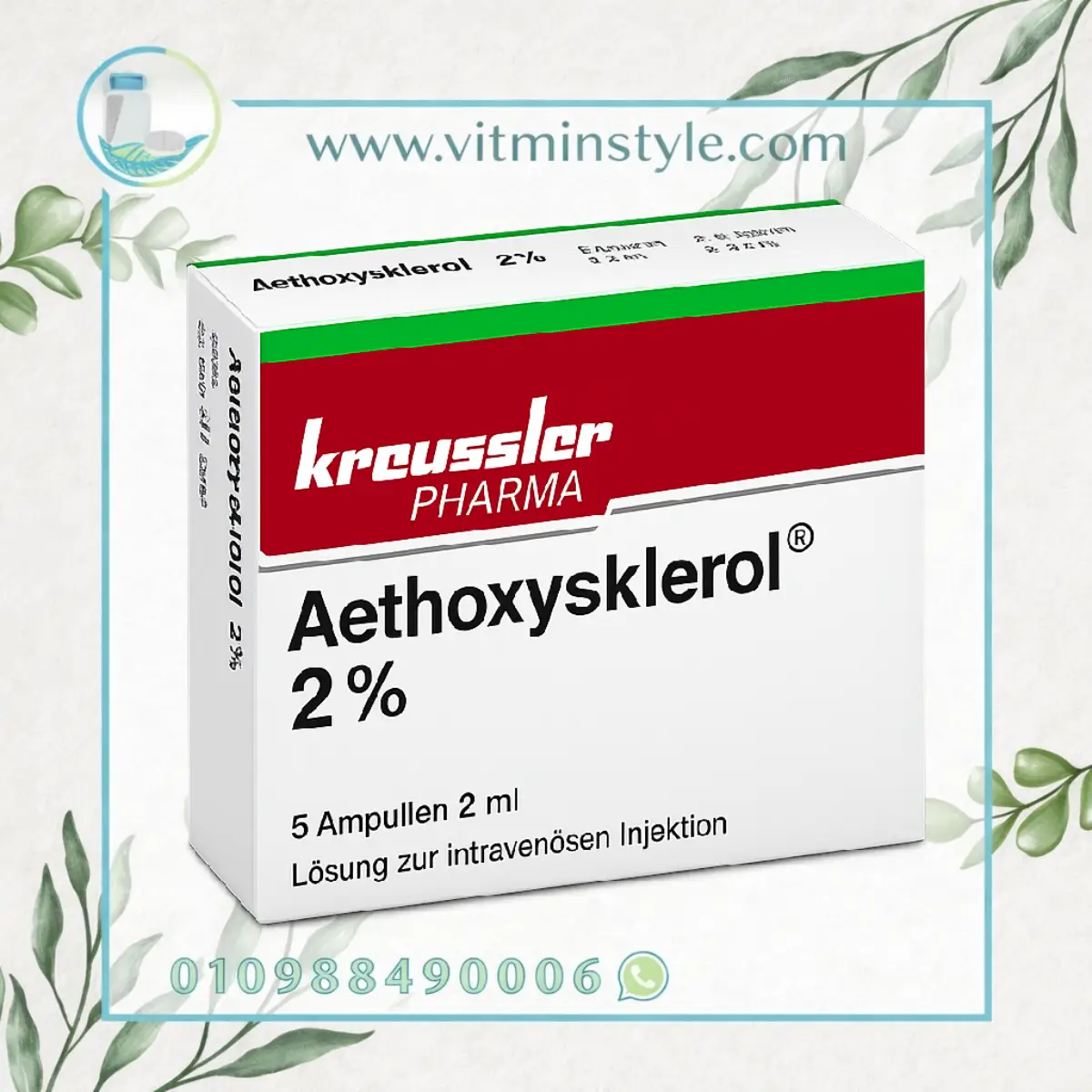
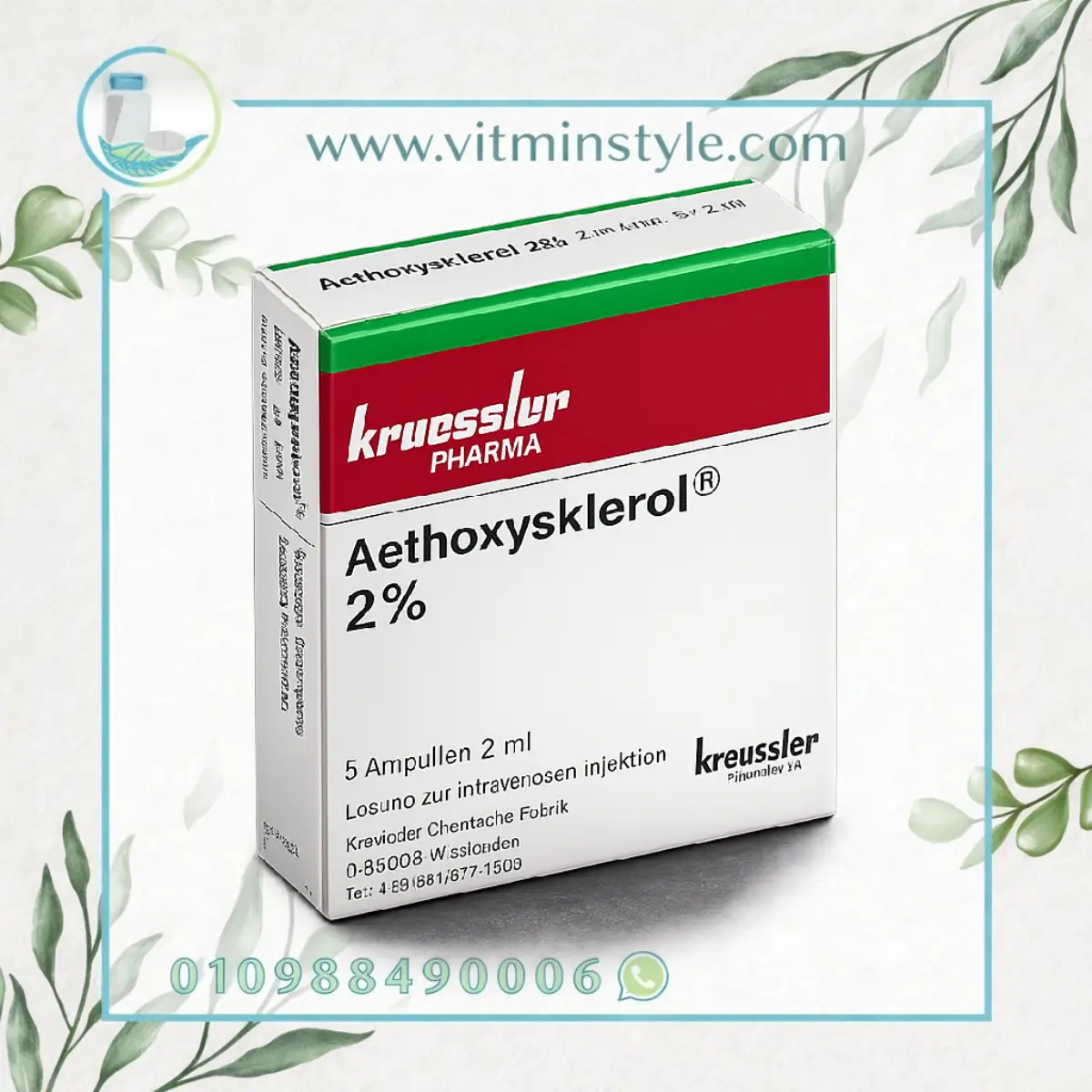
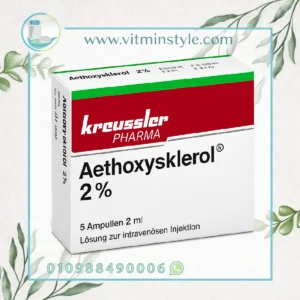
Aethoxysklerol 2% injection contains Polidocanol, a sclerosing agent commonly used in medical procedures for the treatment of varicose veins and vascular disorders. It works by irritating the inner lining of affected veins, causing them to collapse and eventually be reabsorbed by the body. This procedure is typically performed by qualified healthcare professionals and may help improve the appearance of veins and reduce associated symptoms.
Table of Contents
- Introduction to Aethoxysklerol 2%
- How to Use Aethoxysklerol 2%
- How Aethoxysklerol 2% Works
- Key Benefits
- Advantages Compared to Alternatives
- Common Issues It May Help Address
- Important Medical Information
- Common Myths About Vein Treatment
- Expected Results
- NSL Expert Tip
- Who Should Use It
- How to Get the Best Results
- Contraindications
- Drug Interactions
- Required Tests
- What to Eat for Better Circulation
- Improvement Timeline
- Effect on Other Medications
- When to See a Doctor
- Frequently Asked Questions
- Conclusion
Introduction to Aethoxysklerol 2%
Aethoxysklerol 2% is a medical injectable solution used in sclerotherapy procedures, a widely recognized treatment for varicose veins and spider veins. The active ingredient, Polidocanol, has been used for many years in vascular treatments performed by trained physicians.
Varicose veins occur when vein valves weaken, causing blood to pool and veins to enlarge. This condition can lead to symptoms such as swelling, heaviness in the legs, discomfort, and visible vein enlargement.
Sclerotherapy using Aethoxysklerol works by causing controlled irritation inside the problematic vein. The vein walls collapse and seal, allowing the body to gradually absorb the treated vessel and redirect blood flow through healthier veins.
How to Use Aethoxysklerol 2%
Aethoxysklerol 2% should only be administered by a qualified healthcare professional experienced in sclerotherapy procedures.
- Injected directly into the affected vein
- Performed under medical supervision
- Often done in outpatient clinic settings
- Multiple sessions may be required depending on vein size
The physician determines the appropriate concentration, volume, and treatment plan based on the patient’s vascular condition and medical history.
How Aethoxysklerol 2% Works
Polidocanol acts as a sclerosing agent. When injected into a vein, it damages the inner lining of the blood vessel, triggering a controlled inflammatory reaction.
This reaction causes the vein to collapse and seal shut. Over time, the body naturally absorbs the treated vein and blood flow is redirected to nearby healthy veins.
The result is gradual reduction of visible veins and improvement in circulation symptoms.
Key Benefits
- Used in professional treatment of varicose veins
- May improve the appearance of spider veins
- Helps redirect blood circulation to healthy veins
- Minimally invasive medical procedure
- Typically performed without surgical intervention
Advantages Compared to Alternatives
- Non-surgical procedure
- Usually performed in outpatient clinics
- Short treatment sessions
- Minimal downtime after treatment
- Widely used technique in vascular medicine
Common Issues It May Help Address
- Spider veins
- Small to medium varicose veins
- Leg heaviness caused by venous insufficiency
- Cosmetic appearance of visible veins
- Mild circulation discomfort
Important Medical Information
Sclerotherapy treatments should always be performed after proper medical evaluation. The doctor will determine whether Aethoxysklerol 2% is appropriate based on the type of vein condition and the patient’s health status.
Compression stockings are often recommended after treatment to support circulation and improve results.
Common Myths About Vein Treatment
Myth: Varicose veins only affect older people.
Fact: They can occur at any age due to genetics, pregnancy, prolonged standing, or lifestyle factors.
Myth: All vein treatments require surgery.
Fact: Many cases can be treated with minimally invasive procedures like sclerotherapy.
Expected Results
Improvement in the appearance of treated veins may become noticeable within several weeks after treatment. The body gradually absorbs the collapsed veins while blood circulation adjusts through healthier vessels.
Multiple sessions may be recommended for optimal cosmetic or medical results.
NSL Tip
Maintaining an active lifestyle, elevating the legs when resting, and avoiding long periods of standing may support healthy circulation and enhance the results of vein treatments.
Who Is It For / Not For
Suitable for:
- Patients with spider veins
- Individuals with small varicose veins
- Patients seeking minimally invasive vein treatments
Not suitable for:
- Individuals with certain vascular diseases
- Patients with severe clotting disorders
- People with hypersensitivity to polidocanol
How to Get the Best Results
- Follow the doctor’s treatment schedule
- Wear compression stockings if recommended
- Stay physically active
- Avoid prolonged standing or sitting
- Attend follow-up appointments
Contraindications
- Allergy to polidocanol
- Severe systemic diseases
- Acute thrombosis
- Severe vascular inflammation
Drug Interactions
Patients should inform their physician about all medications they are currently taking, especially anticoagulants, cardiovascular drugs, or treatments affecting blood circulation.
Required Tests
Before undergoing sclerotherapy treatment, physicians may recommend diagnostic tests such as:
- Doppler ultrasound of the veins
- Circulatory assessment
- Medical history evaluation
What to Eat for Better Circulation
- Foods rich in antioxidants
- Vitamin C sources
- Omega-3 fatty acids
- Hydration with sufficient water intake
Improvement Timeline
- Initial improvement: 2–4 weeks
- Visible vein fading: 4–8 weeks
- Full treatment course: may require multiple sessions
Effect on Other Medications
Your healthcare provider should review your medication list before treatment to ensure there are no contraindications with existing therapies.
When to See a Doctor
Seek medical attention if symptoms such as severe leg pain, swelling, redness, or unusual skin changes occur. These signs may require medical evaluation.
قد يهمك ايضا
-
اقرأ المزيد:: دوالي الساقين وما تسببه من مشاكل وطرق الوقاية والعلاج
Frequently Asked Questions
What is Aethoxysklerol 2% used for?
It is commonly used in medical procedures for treating spider veins and small varicose veins through sclerotherapy.
Is the procedure painful?
Most patients experience only mild discomfort during the injection.
How many sessions are required?
The number of sessions depends on the size and number of veins being treated.
Is recovery time long?
Most patients resume normal activities shortly after treatment.
Conclusion
Aethoxysklerol 2% is a widely used medical solution for sclerotherapy procedures targeting varicose and spider veins. When administered by trained healthcare professionals, it can support improved vein appearance and circulation through a minimally invasive approach.


Reviews
There are no reviews yet.