

Quick Answer
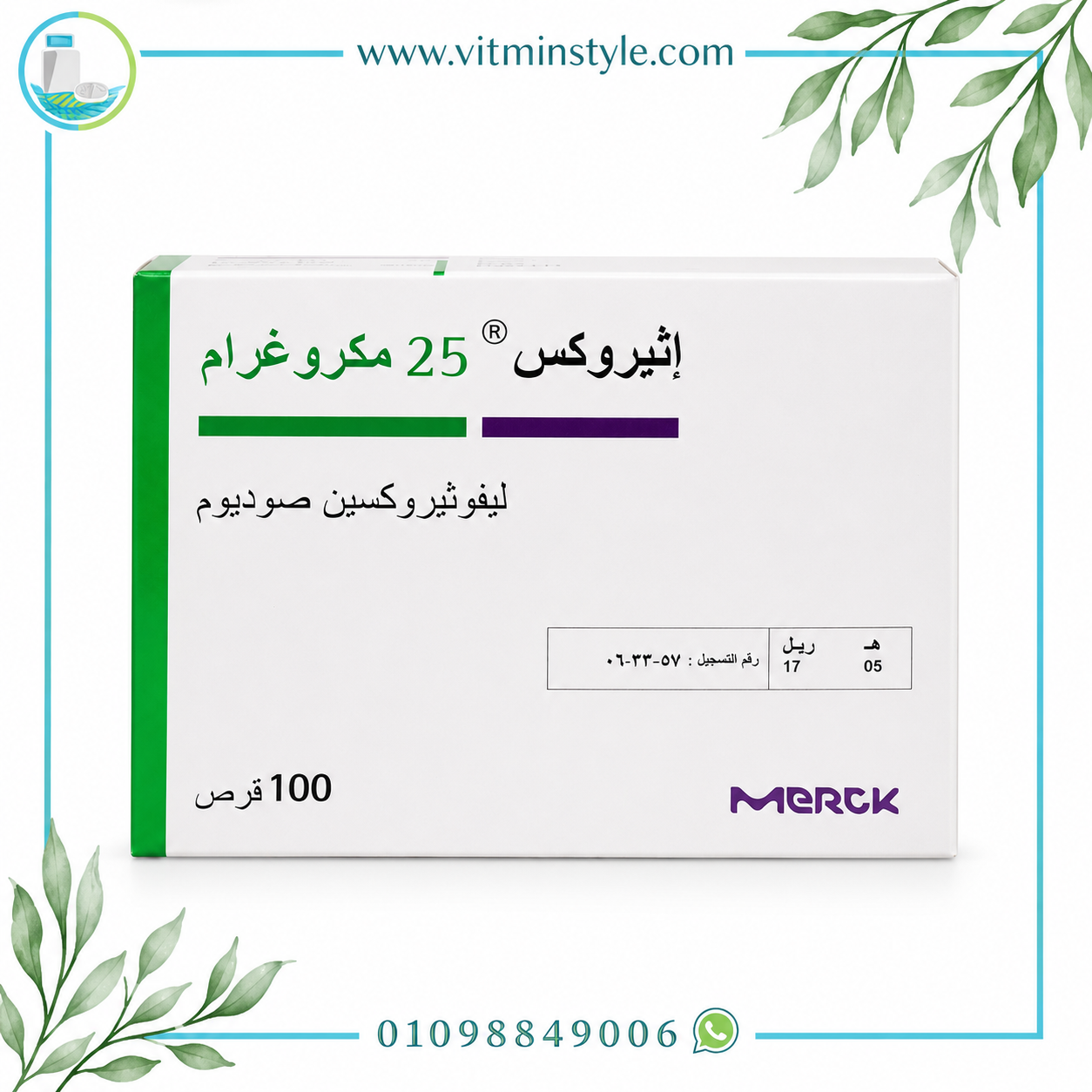
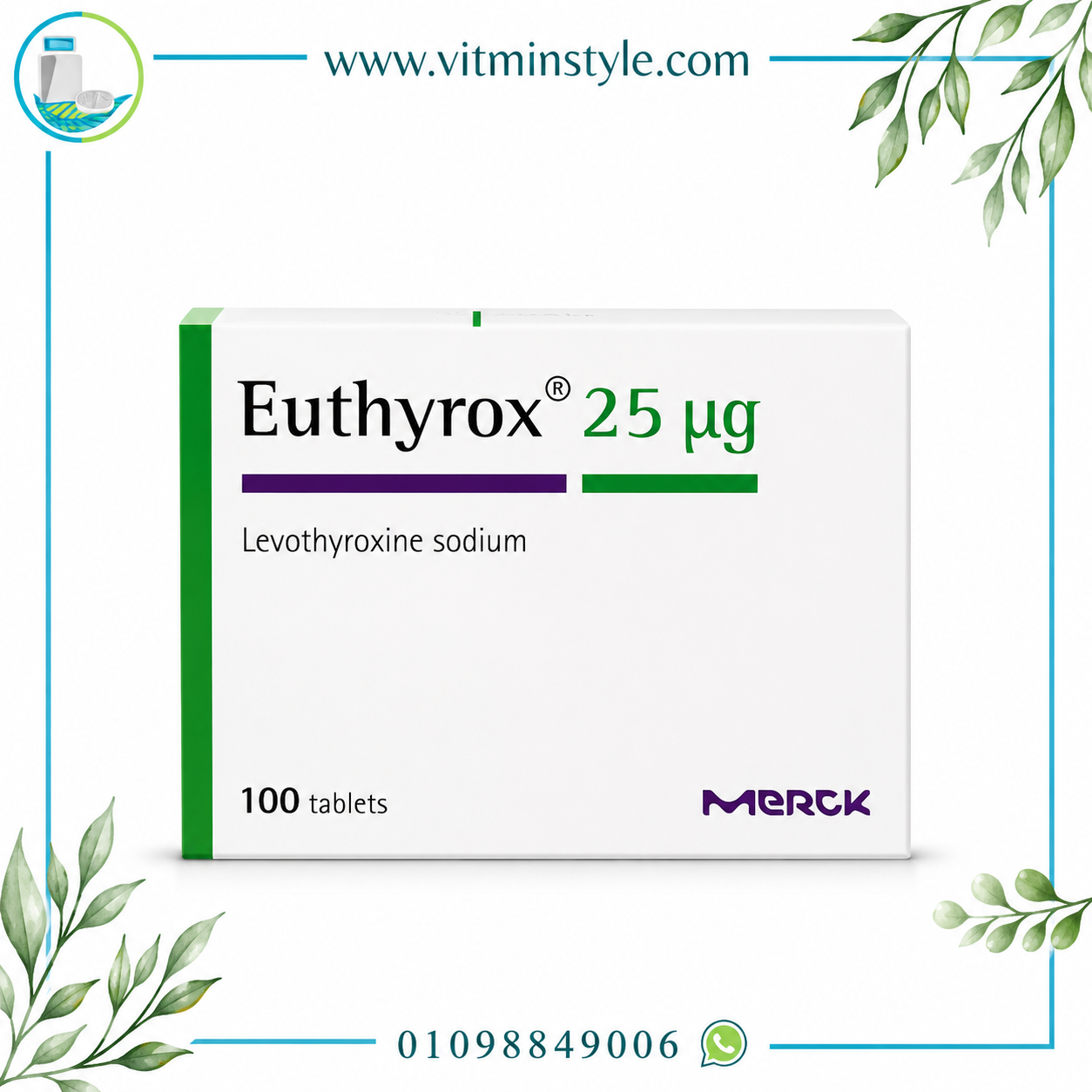
Euthyrox 25 mcg contains levothyroxine sodium, a synthetic form of the thyroid hormone T4. It is prescribed to replace thyroid hormone in people with hypothyroidism and in other thyroid-related conditions determined by a doctor.
There is no single dose suitable for everyone. The correct dose is adjusted according to TSH and Free T4 results, age, pregnancy status, heart health and other medicines.
Key Product Facts
| Active Ingredient | Levothyroxine Sodium |
|---|---|
| Strength | 25 mcg |
| Form | Oral Tablets |
| Pack Size | 100 Tablets |
| Brand | Merck |
| Main Use | Thyroid hormone replacement as prescribed by a healthcare professional |
| Supply | Prescription medicine requiring medical monitoring |
| Common Administration Time | On an empty stomach, approximately 30–60 minutes before breakfast |
Short Description
Euthyrox 25 mcg is a low-strength levothyroxine tablet used to replace insufficient thyroid hormone. It may be prescribed as a starting strength or as part of a combined daily dose. The correct dose depends on blood test results, symptoms and the individual medical condition.
Introduction
Euthyrox 25 mcg is not a general stimulant or a weight-loss medicine. It is a thyroid hormone replacement treatment that requires an accurate diagnosis, an appropriate dose and regular medical monitoring.
A dose that is too low may leave hypothyroidism symptoms uncontrolled, while a dose that is too high may cause symptoms similar to an overactive thyroid. Dose requirements may also change during pregnancy, after major weight changes, with ageing or when new medicines are started.
What Is Euthyrox 25 mcg?
Euthyrox 25 mcg is an oral medicine containing 25 micrograms of levothyroxine sodium per tablet. Levothyroxine is designed to replace the T4 hormone normally produced by the thyroid gland.
The 25 mcg strength may be used as an initial dose for some patients, as a maintenance dose, or together with another strength to create the total daily dose prescribed by the doctor.
How Does Levothyroxine Work?
Levothyroxine supplies the body with T4 thyroid hormone. Part of this T4 is converted inside the body into T3, the more active thyroid hormone used by tissues.
Balanced thyroid hormone levels support energy regulation, body temperature, heart rate, concentration, bowel function and several other important processes. The goal of treatment is not to raise hormone levels as high as possible, but to restore an appropriate balance.
Main Uses and Expected Benefits
When hypothyroidism has been correctly diagnosed and the dose is properly adjusted, Euthyrox may gradually improve symptoms related to insufficient thyroid hormone.
- Replaces deficient thyroid hormone.
- Helps bring TSH and Free T4 toward the target range determined by the doctor.
- May improve fatigue and cold intolerance caused by hypothyroidism.
- May gradually support improved concentration, bowel function and skin condition.
- Helps reduce the health risks associated with untreated hypothyroidism.
Not every symptom is necessarily caused by the thyroid. Some symptoms may continue even when thyroid blood tests improve if another condition is responsible.
Common Use Cases
- Primary hypothyroidism.
- Thyroid hormone deficiency after partial or complete thyroid surgery.
- Hormone deficiency following certain thyroid treatments.
- Selected cases of goitre or TSH suppression under specialist care.
- Management of thyroid hormone requirements during pregnancy in women with hypothyroidism.
Who Is Euthyrox Best For?
Euthyrox is suitable for people whose medical assessment and thyroid tests confirm a need for thyroid hormone replacement. It should not be started solely because of tiredness, weight gain or similar symptoms without proper testing.
Who Should Avoid It Without Medical Evaluation?
Do not start Euthyrox or increase the dose without medical advice if any of the following applies:
- Untreated overactive thyroid or thyrotoxicosis.
- Uncorrected adrenal insufficiency.
- Recent heart attack or unstable heart symptoms.
- Known allergy to any ingredient in the product.
- Severe palpitations or an unexplained heart rhythm disorder.
- Use for weight loss despite normal thyroid function.
Older adults and patients with cardiovascular disease may require a lower starting dose and slower dose adjustments.
How to Use Euthyrox 25 mcg Correctly
- Take only the dose prescribed by your healthcare professional.
- Swallow the tablet with water on an empty stomach.
- Wait approximately 30–60 minutes before breakfast or coffee.
- Take it at the same time and in the same way every day.
- Separate calcium, iron and certain antacids from the dose by around four hours.
- Do not frequently switch between brands or strengths without medical monitoring.
- Do not automatically double the next dose after forgetting a tablet.
What Is the Best Time to Take Euthyrox?
The most common schedule is in the morning on an empty stomach, approximately 30–60 minutes before breakfast, with water only.
Some patients may be advised to take levothyroxine at bedtime, provided several hours have passed since the last meal. Consistency is important because food and beverages can affect absorption.
Common Questions Users Ask
Can Euthyrox be taken after breakfast?
Taking it after food may reduce or change absorption. Speak with your doctor if taking it on an empty stomach is difficult. A consistent alternative schedule may be recommended with appropriate blood-test monitoring.
Can I take it with coffee?
It is generally better to use water only and wait before drinking coffee, because coffee may reduce levothyroxine absorption in some people.
Will I need Euthyrox for life?
This depends on the cause of thyroid hormone deficiency. Many permanent forms of hypothyroidism require long-term treatment, while certain temporary thyroid conditions may not.
Expected Results Timeline
Levothyroxine begins acting in the body early, but noticeable symptom improvement may require several weeks. A dose should not normally be judged after only a few days because levothyroxine remains in the body for a long time.
| Approximate Period | What May Happen |
|---|---|
| First Week | A noticeable improvement may not yet be present. |
| Several Weeks | Some symptoms may gradually begin to improve. |
| Approximately 6–8 Weeks | The doctor may request TSH and Free T4 tests to assess the dose. |
Common Mistakes That May Reduce Treatment Effectiveness
- Taking the tablet with breakfast or coffee without informing the doctor.
- Taking iron or calcium at the same time.
- Changing the dose based only on symptoms without blood tests.
- Stopping treatment after feeling better.
- Using levothyroxine for weight loss with normal thyroid function.
- Not informing the doctor about pregnancy, heart disease or newly started medicines.
- Frequently changing the levothyroxine product without monitoring TSH.
Myths vs Facts
| Myth | Fact |
|---|---|
| Euthyrox is a weight-loss medicine. | It is a thyroid hormone replacement medicine used when there is a medical need. |
| The dose can be changed according to daily energy levels. | The dose is adjusted according to blood tests, medical condition and clinical assessment. |
| Feeling better means treatment can be stopped. | Improvement may show that the treatment is working, and stopping it may allow hypothyroidism to return. |
| All patients need the same dose. | Dose requirements vary according to age, weight, blood tests, pregnancy and heart health. |
Drug Interactions
Some medicines and supplements can reduce levothyroxine absorption or change its effects. Inform your doctor and pharmacist about every medicine and supplement you use.
- Iron and calcium: May reduce absorption and are commonly separated from Euthyrox by approximately four hours.
- Aluminium- or magnesium-containing antacids: May reduce absorption.
- Sucralfate, cholestyramine and colesevelam: May bind levothyroxine and reduce the amount absorbed.
- Certain stomach medicines: May alter stomach acidity and levothyroxine absorption.
- Warfarin and other anticoagulants: Their effect may change after starting or adjusting thyroid treatment.
- Diabetes medicines and insulin: Requirements may change as thyroid hormone levels improve.
- Certain anti-seizure medicines and rifampicin: May increase thyroid hormone breakdown.
- Estrogen and some contraceptives: May alter levothyroxine dose requirements.
- Biotin: May interfere with some thyroid blood-test results.
Contraindications and Precautions
Euthyrox may be contraindicated or delayed in certain conditions until they are treated, including untreated thyrotoxicosis and uncorrected adrenal insufficiency.
Patients with cardiovascular disease, high blood pressure or advanced age may require additional monitoring and cautious dose adjustment.
Pregnancy is not normally a reason to stop levothyroxine. Women with hypothyroidism may need closer monitoring and a dose adjustment during pregnancy. Contact the doctor promptly after pregnancy is confirmed.
What Tests May Be Required?
The required tests depend on the diagnosis, age, pregnancy status and overall medical condition. Common monitoring may include:
- TSH blood test.
- Free T4 blood test.
- Thyroid antibody tests when needed to identify the cause.
- Heart rate and blood-pressure monitoring, especially in patients with heart disease.
- Blood lipid tests when high cholesterol may be associated with hypothyroidism.
- More frequent thyroid testing during pregnancy or after a dose change.
Testing too soon after changing the dose may not accurately show the final response because the body needs time to reach a stable level.
What Should You Eat With Euthyrox?
Food should generally not be taken at the same time as the dose. Swallow the tablet with water and wait for the period recommended by the doctor before eating.
- A balanced diet can be followed after the appropriate waiting period.
- Vegetables and grains do not usually need to be completely avoided, but dietary consistency is important.
- Large amounts of soy, dietary fibre or walnuts may affect absorption in some patients.
- Separate iron and calcium supplements from Euthyrox.
- Do not use iodine supplements or thyroid-support products without medical advice.
Does Euthyrox Affect Other Medicines?
Yes. Correcting thyroid hormone levels may change how the body responds to certain medicines, particularly anticoagulants, diabetes medicines and some heart medicines.
The doctor may need to reassess doses or order additional tests. Do not stop another medicine or alter administration times without professional advice.
Possible Side Effects
When the dose is correctly adjusted, levothyroxine is generally well tolerated. Many unwanted effects are associated with a dose that is higher than the body requires or with increasing the dose too quickly.
- Palpitations or a fast heartbeat.
- Tremor, nervousness or difficulty sleeping.
- Excessive sweating or heat intolerance.
- Headache or muscle weakness.
- Diarrhoea or abdominal cramps.
- Unintended weight loss.
- Menstrual changes in some women.
Chest pain, severe shortness of breath or a significant heart rhythm disturbance requires urgent medical evaluation.
When Should You See a Doctor?
- If hypothyroidism symptoms continue despite correct use.
- If severe palpitations, chest pain or persistent tremor develops.
- When pregnancy occurs or is being planned.
- After a significant change in body weight.
- When starting iron, calcium, stomach medicines or anticoagulants.
- If symptoms return after changing the levothyroxine brand.
- If several doses have been missed.
- If an accidental overdose has occurred.
Vitamin Style Expert Tip
Record the time you take Euthyrox and the timing of other medicines or supplements for one week. This can help your doctor or pharmacist identify timing conflicts that may explain unstable thyroid test results.
Always check the strength written on the prescription because Euthyrox is available in several strengths with packaging that may appear similar.
Frequently Asked Questions
What is Euthyrox 25 mcg used for?
It is used to replace insufficient thyroid hormone in medically diagnosed conditions. It may also be prescribed for certain other thyroid-related purposes under specialist care.
Can Euthyrox 25 mcg be used for weight loss?
No. Thyroid hormone should not be used for weight loss in people with normal thyroid function because excessive doses can seriously affect the heart and bones.
When should I take Euthyrox?
It is commonly taken in the morning on an empty stomach with water, approximately 30–60 minutes before breakfast or coffee, unless the doctor recommends another schedule.
Can Euthyrox be taken with iron or calcium?
They may be used when needed, but they are usually separated from levothyroxine by approximately four hours to reduce interference with absorption.
What should I do if I forget a dose?
Follow the instructions provided by the doctor or product leaflet. Do not automatically double the next dose. Contact a healthcare professional if several doses have been missed.
Can I stop Euthyrox after my test results improve?
Do not stop it without consulting the doctor. Improved results may be a direct effect of treatment, and stopping it may allow hypothyroidism to return.
Is Euthyrox safe during pregnancy?
Levothyroxine is commonly used to manage hypothyroidism during pregnancy. The dose may need adjustment and closer monitoring. Do not stop treatment without medical advice.
Can Euthyrox cause heart palpitations?
Palpitations may occur if the dose is higher than the body needs or if an underlying heart condition is present. Persistent or severe palpitations require medical assessment.
How long does Euthyrox take to work?
Some symptoms may begin to improve after several weeks. Blood tests are normally repeated after an appropriate period determined by the doctor.
Can Euthyrox be replaced with another levothyroxine product?
A switch may be medically possible, but it should be discussed with the doctor or pharmacist. TSH testing may be recommended after changing products.
Conclusion
Euthyrox 25 mcg is a precisely dosed thyroid hormone medicine containing levothyroxine sodium. Successful treatment depends on taking the prescribed dose consistently, avoiding substances that interfere with absorption and completing regular thyroid blood tests.
Do not use it for weight loss or change the dose based only on symptoms. Consult a healthcare professional during pregnancy, after major weight changes, when starting new medicines or if heart-related symptoms develop.
Trusted References
Medical Disclaimer
This content is provided for general educational purposes and does not replace medical diagnosis, professional advice or the instructions supplied with the available product batch. Euthyrox is a prescription medicine requiring medical monitoring and thyroid blood tests. Do not start, stop or change the dose without consulting a doctor or pharmacist.





Reviews
There are no reviews yet.