
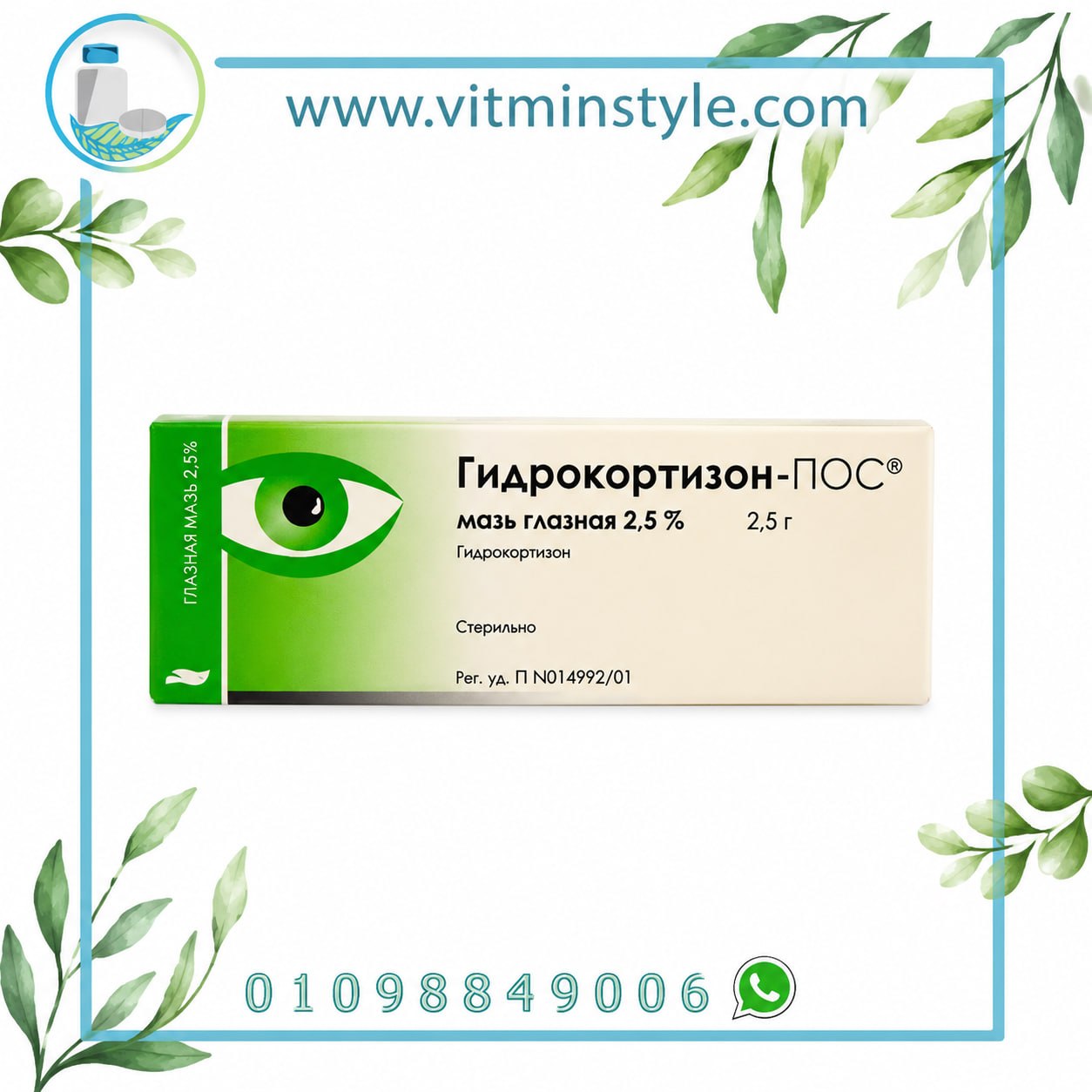
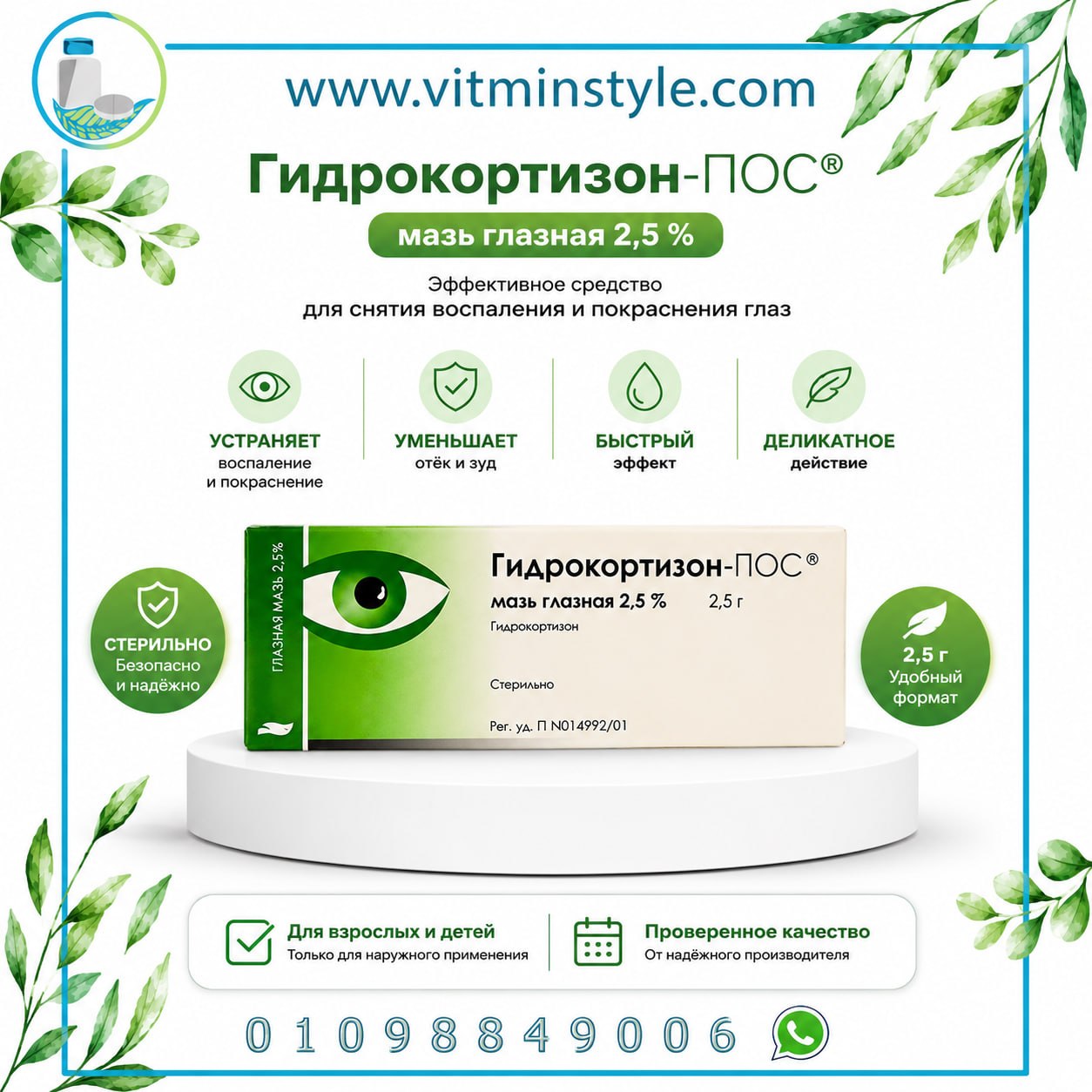
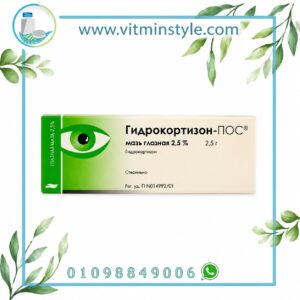
Hydrocortison-POS Eye Ointment 2.5% – Sterile Ophthalmic Corticosteroid for Eye Inflammation Relief
Key Facts at a Glance
| Feature | Detail |
|---|---|
| Drug Class | Corticosteroid (glucocorticoid) – ophthalmic preparation |
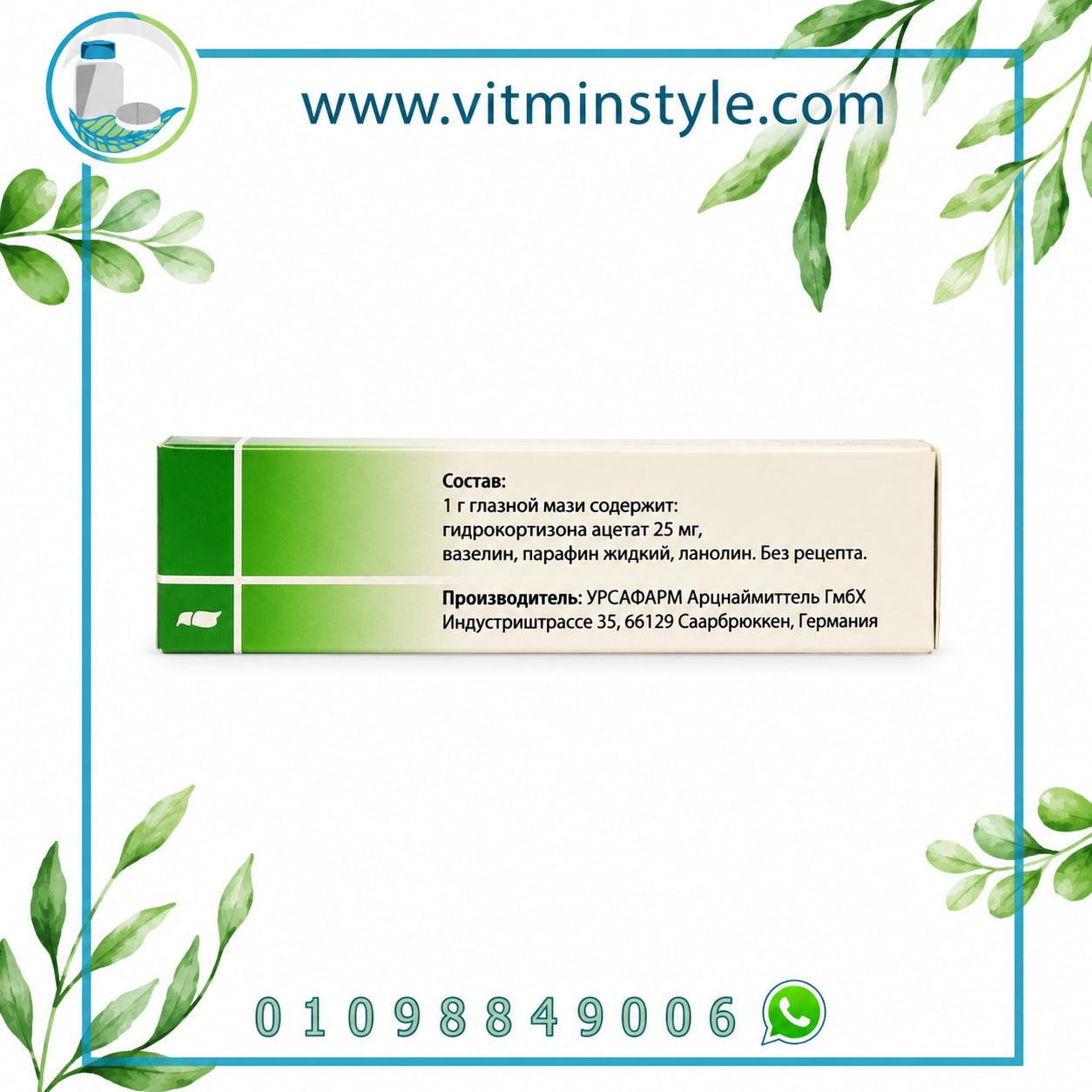
| Active Substance | Hydrocortisone Acetate 25mg per 1g (2.5%) |
| Excipients | Vaseline, Liquid Paraffin, Lanolin |
| Net Weight | 2.5 grams |
| Sterilization | Sterile – suitable for direct ophthalmic application |
| Suitable For | Adults and children (under physician supervision) |
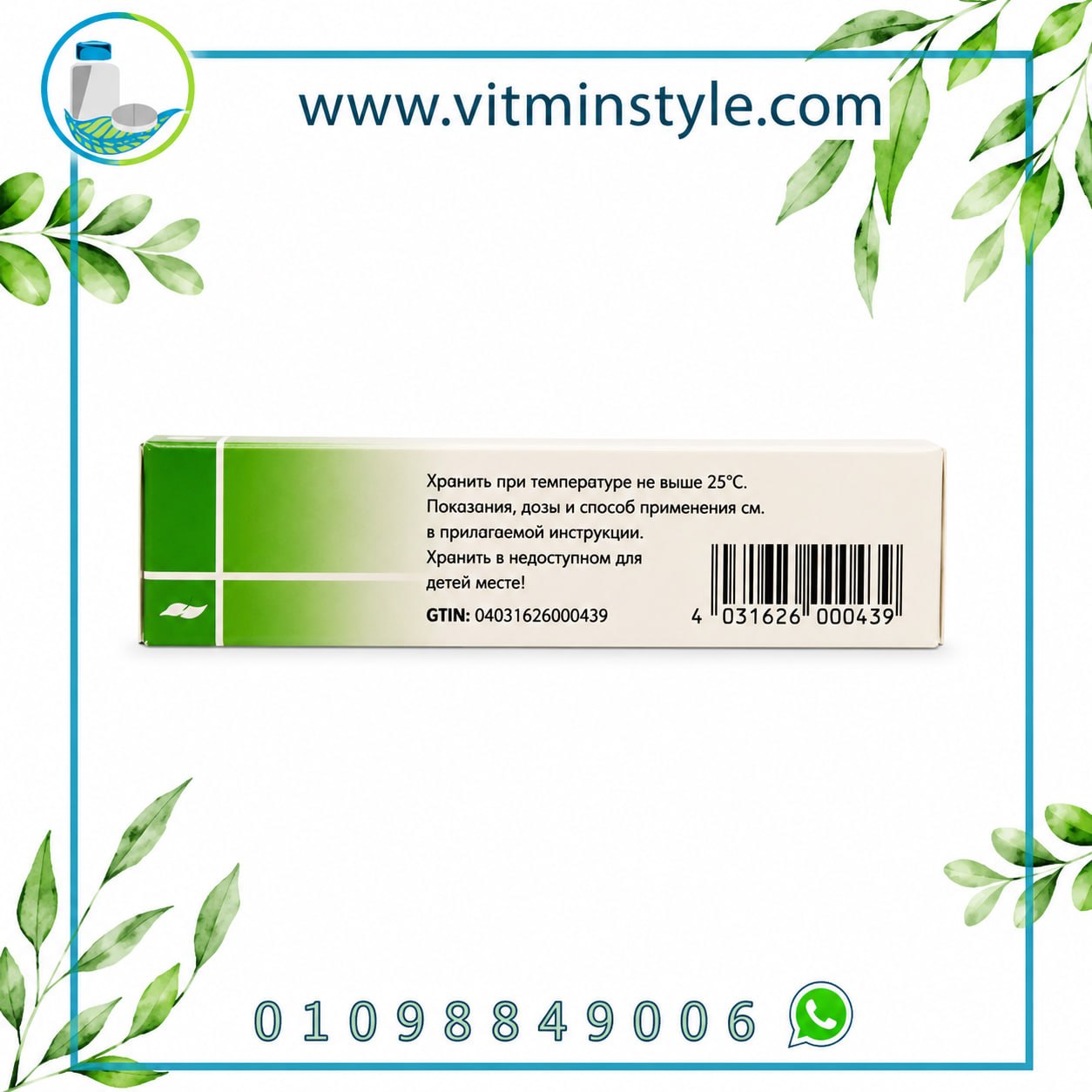
| Registration | Reg. No. П N014992/01 | GTIN: 4031626000439 |
| Manufacturer | URSAPHARM Arzneimittel GmbH, Saarbrücken, Germany |
| Storage | Store below 25°C – keep away from children |
Table of Contents
- What Is Hydrocortison-POS Eye Ointment?
- Composition & Ingredients
- How Does It Work?
- Main Benefits & Indications
- Real Use Cases
- Who Is It Prescribed For?
- Who Should Not Use It?
- How to Use Correctly
- Best Time to Apply
- Expected Results Timeline
- Common Mistakes
- Myths vs Facts
- Drug Interactions
- Contraindications
- Required Tests If Needed
- What to Consider While Using It
- Effect on Other Medications
- When To See a Doctor Urgently
- Expert Tip
- FAQ
- Conclusion
- Medical Disclaimer
- Trusted Sources
Introduction
Inflammatory conditions of the eye — including allergic conjunctivitis, uveitis, and post-surgical inflammation — require targeted anti-inflammatory therapy. Corticosteroid eye preparations remain the most effective topical treatment for reducing ocular inflammation. Hydrocortisone acetate, the active substance in Hydrocortison-POS, is one of the mildest ophthalmic corticosteroids, making it suitable for conditions where a gentle but effective anti-inflammatory effect is needed.
What Is Hydrocortison-POS Eye Ointment?
Hydrocortison-POS Eye Ointment 2.5% is a sterile ophthalmic preparation manufactured by URSAPHARM Arzneimittel GmbH, a specialized German pharmaceutical company. The product is registered and approved as a medicinal product for the treatment of inflammatory eye conditions. It contains hydrocortisone acetate at a concentration of 2.5% (25mg per gram) in a carefully formulated base of vaseline, liquid paraffin, and lanolin — providing excellent lubrication and contact time on the ocular surface. The ointment form ensures prolonged drug contact with the eye tissue compared to eye drops, making it particularly useful for nighttime application or when extended contact time is needed.
Composition & Ingredients
| Component | Amount / Role |
|---|---|
| Hydrocortisone Acetate (Active) | 25 mg per 1 gram of ointment (2.5%) — primary anti-inflammatory corticosteroid |
| Vaseline (Petrolatum) | Ointment base — occlusive, provides prolonged drug contact and lubrication |
| Liquid Paraffin | Adjusts ointment consistency — improves spreadability and smoothness |
| Lanolin | Emollient base — enhances drug penetration and ointment adherence to ocular surface |
Note on lanolin: Lanolin is a natural wax derived from wool. Patients with known lanolin sensitivity should inform their physician before use.
How Does Hydrocortison-POS Work?
Hydrocortisone acetate is a glucocorticoid that works by binding to intracellular steroid receptors in ocular tissue cells. This binding triggers a cascade of anti-inflammatory effects:
- Inhibition of phospholipase A2: Reduces production of prostaglandins and leukotrienes — key mediators of inflammation and pain
- Vasoconstriction: Reduces blood flow to inflamed tissue, decreasing redness and swelling
- Mast cell stabilization: Reduces histamine release, which helps with allergic symptoms including itching
- Reduction of vascular permeability: Decreases leakage from blood vessels, reducing edema and discharge
The ointment vehicle (vaseline, paraffin, lanolin) provides prolonged retention on the ocular surface — typically 4–6 times longer than eye drops — ensuring sustained therapeutic effect, particularly during nighttime application.
Main Benefits & Indications
Hydrocortison-POS Eye Ointment 2.5% is indicated for the following conditions (as directed by a physician):
- Allergic conjunctivitis: Reduces redness, itching, and eye discharge caused by allergens
- Non-infectious inflammatory conjunctivitis: Treats inflammatory redness and irritation not caused by bacteria or viruses
- Lid dermatitis / periocular inflammation: Can be applied to the eyelid skin for inflammatory skin conditions around the eye
- Post-operative eye inflammation: Used after eye surgery to control inflammatory response
- Blepharitis (inflammatory type): Reduces eyelid margin inflammation when the cause is non-infectious
Real Use Cases
| Condition | How Hydrocortison-POS Helps |
|---|---|
| Seasonal allergic eye inflammation | Reduces histamine-driven redness, swelling, and itching rapidly |
| Post-surgery eye inflammation | Controls post-operative inflammatory response under specialist direction |
| Eyelid skin inflammation | Applied to eyelid skin area to reduce dermatitis or eczema-like inflammation |
| Nighttime eye treatment | Ointment form is preferred at night as it provides longer contact time while sleeping |
Who Is It Prescribed For?
- Adults and children with inflammatory eye conditions as diagnosed by a physician
- Patients with allergic conjunctivitis not responding to antihistamine eye drops alone
- Post-operative patients under ophthalmologist supervision
- Patients with periocular skin inflammation requiring a mild topical corticosteroid
Who Should NOT Use It?
- Viral eye infections — particularly herpes simplex keratitis (using corticosteroids can worsen viral infections dramatically)
- Bacterial eye infections — corticosteroids alone may mask bacterial infections and worsen them; combination antibacterial-steroid preparations are used instead
- Fungal eye infections
- Tuberculosis of the eye
- Glaucoma or raised intraocular pressure — corticosteroids can increase intraocular pressure
- Corneal or scleral thinning conditions
- Known hypersensitivity to hydrocortisone or lanolin
- Active eye injuries or corneal ulcers without specialist supervision
How to Use Correctly
General guidance (refer to physician’s instructions for specific dosing):
- Wash hands thoroughly before application
- Gently pull down the lower eyelid to form a pocket
- Apply a small strip of ointment (approximately 1 cm / the size of a grain of rice) into the lower conjunctival sac
- Close the eye gently for 1–2 minutes to allow distribution
- Blink several times to spread the ointment evenly
- Wipe away any excess ointment from the outer eye area
- Replace the cap securely after each use — never touch the tube tip to the eye or any surface
Best Time to Apply
| Timing | Reason |
|---|---|
| At bedtime | Ointment form is ideal at night — does not impair daytime vision; provides 6–8 hours of sustained drug contact during sleep |
| As prescribed (e.g. 2–4x daily) | Follow physician’s exact frequency — typically applied after other eye medications with a 5-minute gap |
| If using eye drops too | Apply eye drops first, wait 5–10 minutes, then apply ointment last (ointment creates a barrier that reduces absorption of subsequent drops) |
Expected Results Timeline
- Within 30–60 minutes: Initial reduction in itching and discomfort in allergic conditions
- 24–48 hours: Visible reduction in redness and swelling with regular use as prescribed
- 3–7 days: Significant improvement in most inflammatory conditions — physician will reassess the need for continuation
- Important: Treatment duration should be minimized and always under physician supervision to avoid steroid-related side effects
Common Mistakes to Avoid
- Using it without a confirmed diagnosis — corticosteroids can worsen undiagnosed viral or bacterial infections
- Applying to contact lenses — remove contact lenses before application; wait at least 15 minutes before reinserting
- Exceeding prescribed duration — even short courses require professional oversight; do not prolong without medical review
- Touching the tube tip to the eye — contamination risk
- Applying other eye medications immediately after — always wait 5–10 minutes between different eye preparations
- Stopping abruptly without physician guidance if used long-term
Myths vs Facts
| Myth | Fact |
|---|---|
| “Corticosteroid eye ointments are always dangerous” | When used correctly under physician supervision for appropriate indications and duration, hydrocortisone eye ointment is safe and highly effective. |
| “Eye ointments permanently blur vision” | Ointments cause temporary blurring that clears within minutes. This is normal and is why they are preferred at bedtime. |
| “I can use it for any red eye” | Red eyes have many causes — including infections that worsen with corticosteroids. Always see a physician first. |
| “Hydrocortisone is too weak to work on the eye” | At 2.5% concentration in an ointment vehicle providing prolonged contact time, hydrocortisone acetate is therapeutically effective for mild-to-moderate ocular inflammation. |
Drug Interactions
As a topical ophthalmic preparation, systemic drug interactions are minimal but the following should be noted:
- Other corticosteroid preparations (systemic or topical): Combined use may increase total steroid load — inform physician of all current medications
- Antibiotic-steroid combination eye drops: Can be used in conjunction when bacterial infection is also present — physician should prescribe the appropriate combination
- NSAIDs (ophthalmic): Combining ophthalmic corticosteroids with NSAIDs eye drops may increase the risk of corneal adverse effects — avoid without specialist guidance
- Other ophthalmic preparations: Apply with a 5–10 minute interval between different eye medications; ointment should always be applied last
Contraindications
- Viral infections of the eye — herpes simplex, vaccinia, varicella
- Bacterial, fungal, or amoebic eye infections (when used without anti-infective coverage)
- Mycobacterial eye infections (tuberculosis)
- Uncontrolled glaucoma or elevated intraocular pressure
- Corneal thinning or perforation risk conditions
- Known hypersensitivity to hydrocortisone acetate or any excipient (including lanolin)
- Aphakic eyes (may increase risk of cystoid macular edema)
Required Tests and Monitoring
Your ophthalmologist may recommend the following monitoring during treatment:
- Intraocular pressure (IOP) measurement: Required if treatment extends beyond 10–14 days — corticosteroids can raise IOP and potentially trigger steroid-induced glaucoma
- Slit-lamp examination: To monitor corneal integrity and rule out secondary infections
- Visual acuity testing: Baseline and follow-up to detect any changes
- Culture and sensitivity tests: Before initiating treatment to rule out bacterial or fungal infection
What to Consider While Using This Medication
- Remove contact lenses before application — they can accumulate the drug and lanolin/paraffin residue
- Avoid rubbing the eyes after application
- Do not drive or operate machinery immediately after application as vision will be temporarily blurred
- If using other eye drops (e.g. artificial tears, antibiotic drops), always apply ointment last and with the required interval
- Maintain good hand hygiene throughout treatment
- Discard the tube as directed by the physician — typically within 4 weeks of opening
Effect on Other Medications
Systemic absorption from ophthalmic ointments is generally minimal but can occur, especially with prolonged use or impaired ocular surface integrity. If used concurrently with systemic corticosteroids, this may contribute to cumulative steroid effects including adrenal suppression in sensitive individuals with prolonged use. Always inform your treating physician and ophthalmologist of all medications currently being taken.
When To See a Doctor Urgently
- Pain in the eye worsens significantly during treatment
- Vision changes or deteriorates
- Eye becomes increasingly red despite treatment (possible infection worsening)
- Purulent (yellow/green) discharge appears or increases
- Sensitivity to light (photophobia) develops or worsens
- You develop severe eye pain, halos around lights, or nausea (signs of acute glaucoma)
Expert Tip from Vitamin Style
Hydrocortisone eye ointment in the POS formulation is one of the few corticosteroid preparations specifically designed for ophthalmic use with an established safety profile when used correctly. The key to safe use is three things: precise diagnosis before initiating treatment, strict adherence to the prescribed duration, and regular ophthalmologist follow-up. Intraocular pressure monitoring is particularly important if your physician prescribes more than 7–10 days of continuous treatment.
Frequently Asked Questions
What is Hydrocortison-POS Eye Ointment used for?
It is used to treat inflammatory conditions of the eye including allergic conjunctivitis, non-infectious inflammatory conjunctivitis, periocular skin inflammation, and post-operative eye inflammation. It should only be used under the direction of a qualified physician or ophthalmologist.
How long can I use Hydrocortison-POS Eye Ointment?
Treatment duration must be prescribed by a physician. Corticosteroid eye preparations are generally used for short courses — typically 5–14 days. Prolonged use beyond 2 weeks requires ophthalmologist monitoring of intraocular pressure and corneal integrity.
Can I use Hydrocortison-POS if I have glaucoma?
Corticosteroids — including hydrocortisone — can raise intraocular pressure and worsen glaucoma. It is generally contraindicated in patients with glaucoma unless under strict specialist supervision with very close IOP monitoring.
Can I wear contact lenses while using this ointment?
No. Remove contact lenses before applying the ointment. The ointment base (vaseline, paraffin, lanolin) can damage soft contact lenses and contaminate them. Wait at least 15 minutes after application before considering lens reinsertion, though daytime use of contact lenses is generally not recommended during treatment.
Will Hydrocortison-POS Eye Ointment cause blurred vision?
Yes — temporarily. The ointment creates a film over the eye surface that causes blurring immediately after application. This typically resolves within a few minutes to 15 minutes as the ointment distributes. This is why the ointment is preferred at bedtime.
Can children use Hydrocortison-POS Eye Ointment?
According to the product labeling, it is suitable for adults and children. However, use in children should always be under close medical supervision with careful attention to dosing and duration.
What should I do if I accidentally use too much?
If excess ointment is applied, gently remove the excess from the outer eye area with a clean tissue. If significant excess was applied or there is concern about ingestion, contact a physician or poison control center immediately.
How should I store Hydrocortison-POS Eye Ointment?
Store below 25°C. Keep out of reach and sight of children. Once opened, use within the period recommended by your physician — typically 4 weeks. Do not use after the expiry date on the packaging.
Conclusion
Hydrocortison-POS Eye Ointment 2.5% is a well-established, sterile ophthalmic corticosteroid preparation from URSAPHARM — a specialized German pharmaceutical manufacturer. The hydrocortisone acetate 2.5% concentration provides effective anti-inflammatory action for mild-to-moderate ocular inflammatory conditions, while the carefully formulated ointment base ensures prolonged drug contact and patient comfort.
Its safety profile, when used correctly under physician supervision and for appropriate indications, is well-established. The key principles for safe use are accurate diagnosis, appropriate indication, minimal effective duration, and regular ophthalmologist monitoring — particularly for intraocular pressure in courses exceeding 10 days.
Medical Disclaimer
Medical Disclaimer: Hydrocortison-POS Eye Ointment 2.5% is a pharmaceutical medication and should only be used under the prescription and supervision of a qualified physician or ophthalmologist. The information on this page is for educational purposes only and does not constitute medical advice or a prescription. Incorrect use of ophthalmic corticosteroids can lead to serious complications including steroid-induced glaucoma, cataracts, and opportunistic eye infections. Always consult your doctor before starting, stopping, or changing any eye medication. For ophthalmic use only — not for internal use — keep out of reach of children.
Trusted External Sources
- URSAPHARM Official Website: https://www.ursapharm.de
- NIH – Hydrocortisone Ophthalmic Information: https://medlineplus.gov/druginfo/meds/a682237.html
- American Academy of Ophthalmology – Corticosteroid Eye Drops: https://www.aao.org
- PubMed – Hydrocortisone Acetate Ophthalmic Studies: https://pubmed.ncbi.nlm.nih.gov/
- British National Formulary (BNF) – Corticosteroid Eye Preparations: https://bnf.nice.org.uk/drugs/hydrocortisone/


Reviews
There are no reviews yet.